Honored to Share the Wild
Every image begins with a moment of stillness. Sometimes it’s the soft rustle of reeds, the pause before a shadow moves, or the breath I hold as light shifts just right. This year, my work was recognized in the Wildlife in Focus 2025 photography competition—a program that raises funds and awareness for wildlife conservation across Texas. I’m deeply honored and grateful for this acknowledgment, but even more grateful for the time spent in the field witnessing these creatures where they belong: wild and free.
The Wildlife in Focus competition pairs photographers with Texas ranches that serve as both habitat and inspiration. I had the privilege of being teamed with the JF Welder Ranch, where I spent many hours photographing wildlife along open pastures, broad stretches of woodland, and quiet ponds. It’s a place where healthy land and active stewardship come together, providing both refuge for wildlife and much opportunity for observation. I’m especially thankful to Ranch President Clay Neel for his generous support and to Bonnie Lauper, whose help made it possible for me to stay close to the wildlife I photographed. Having a place to rest nearby meant I could greet the dawn and linger through the last light—moments when nature reveals its quietest beauty. My sincere gratitude also goes to the JF Welder Heirs, who make this work possible through their commitment to conservation and the photographers who help share it.
Winning Images
Behind every photograph is a story of patience, respect, and stewardship. These images are possible because ranch owners across Texas protect the water, grasslands, and shelter that sustain wildlife.
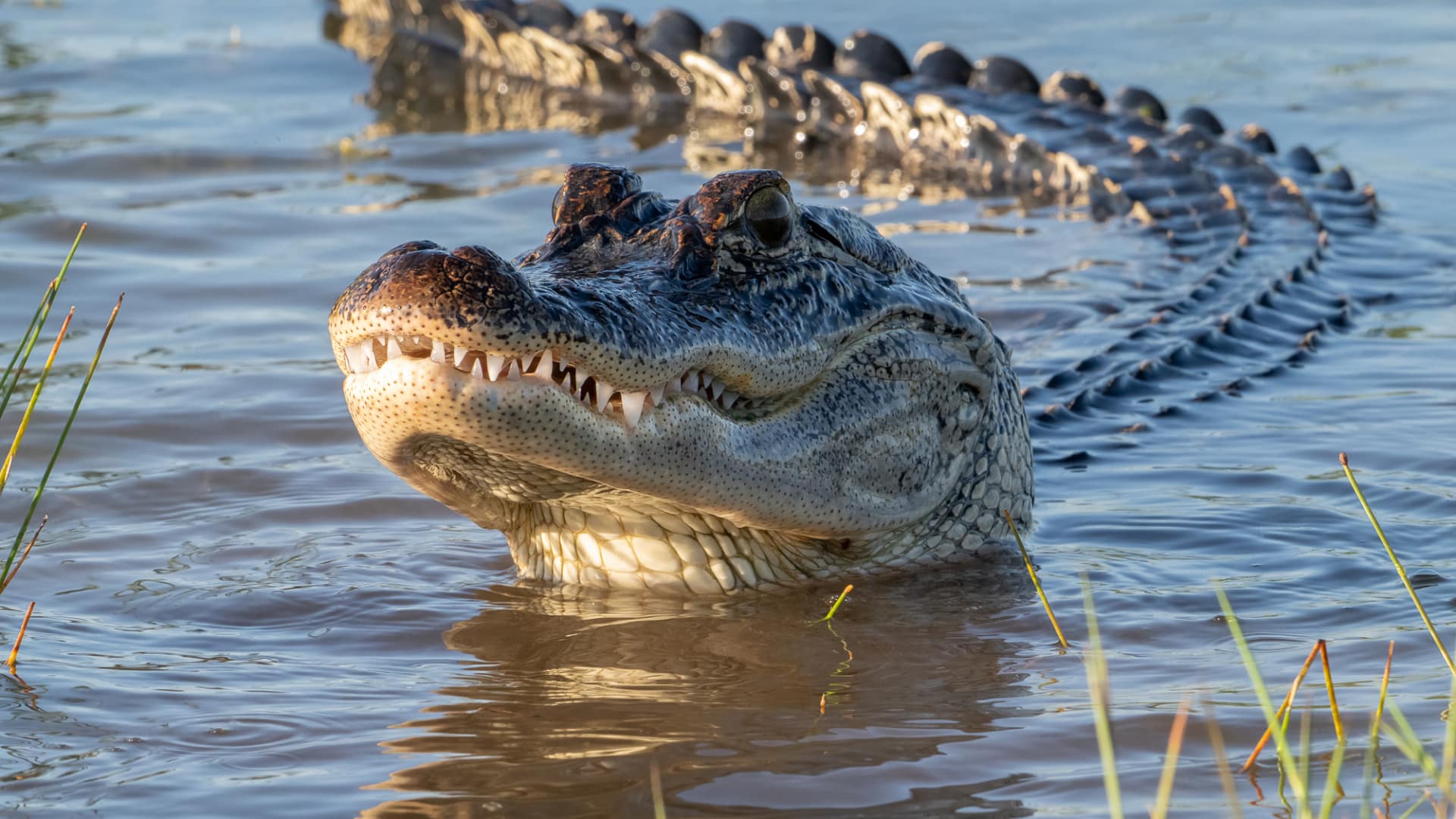
First Place – All Other Reptiles and Amphibians: Alligators, Salamanders, Newts, and Siren
Field Note:
I spent many days watching this alligator, studying the subtle signs that revealed his mood and intent—the way he adjusted his posture when another creature entered the pond, or how only his eyes broke the surface when he rested. Mornings often began with mist rising off the water, light glancing off his back like metal. Afternoons belonged to his patience; he could remain motionless for hours, the embodiment of calm power.
Over time, I came to understand his rhythm and to feel cautiously safe in his presence. I call him my guardian alligator. Find out why in the upcoming blog titled Van Gogh the Guardian Alligator.
Technical details: Nikon Z8, and 200–500mm f/5.6E ED AF-S VR, ISO 3200, f/22, 1/250.
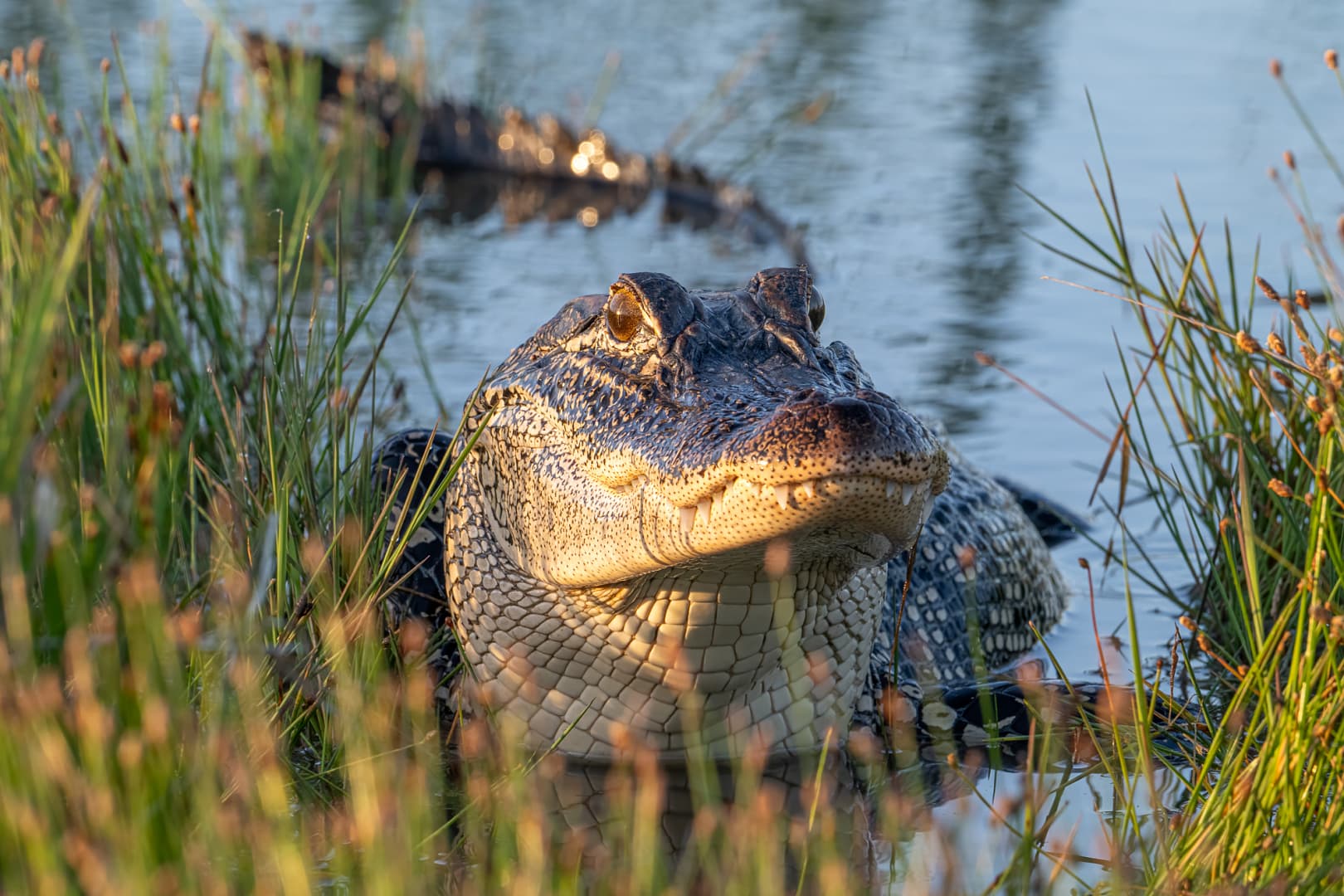
Second Place – All Other Reptiles and Amphibians: Alligators, Salamanders, Newts, and Siren
Field Note:
With this image, patience met trust. By keeping a respectful distance and moving slowly, I became part of the quiet rhythm of his world. In time, he began surfacing closer to where I sat, easing onto the bank with the calm authority of an animal that knows he is safe. Those moments allowed for strong compositions and clean light, but more importantly, they reminded me that the best wildlife images come from patience.
Technical details: Nikon Z8, and 200–500mm f/5.6E ED AF-S VR, ISO 2000, f/16, 1/125.
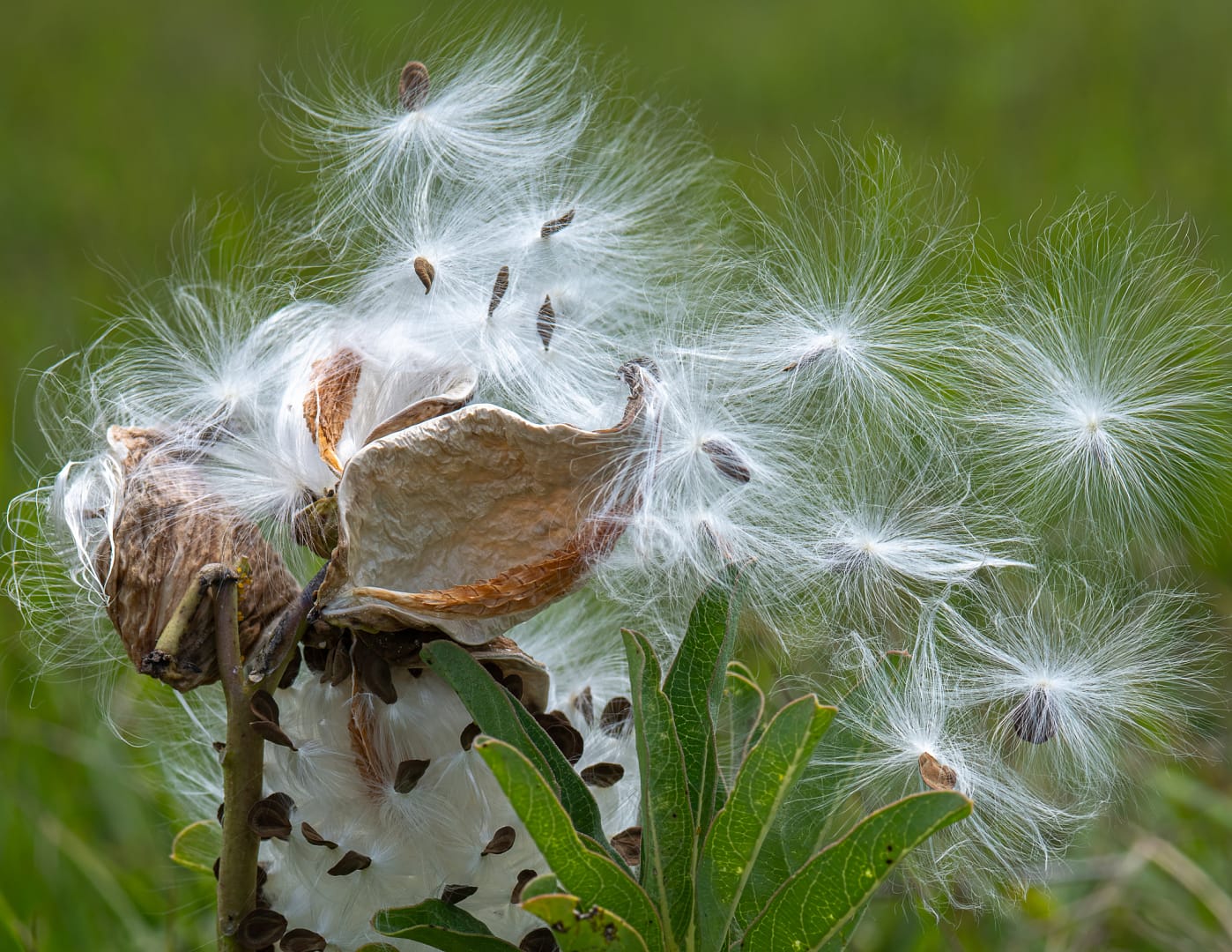
Second Place – Native Wildflowers or Plants
Field Note:
To capture this image, I spread a small tarp in front of the plant so I could work at eye level without disturbing the ground around it. Using my Nikon D850 with a 105mm Micro-Nikkor lens, I focused on a single pod and waited for the right gust of wind. When the breeze finally came, I caught the moment the seeds lifted free at 1/500 of a second—a heartbeat of motion suspended in light.
Milkweed is more than a beautiful subject. It is a lifeline for pollinators, especially monarch butterflies, whose caterpillars feed exclusively on its leaves. By allowing milkweed to thrive, we protect the web of insects, birds, and plants that depend on it. Every seed that drifts away carries the promise of another refuge in the wild.
Technical details: Nikon D850, 105mm f/2.8 Micro-Nikkor, ISO 400, f/8, 1/500.
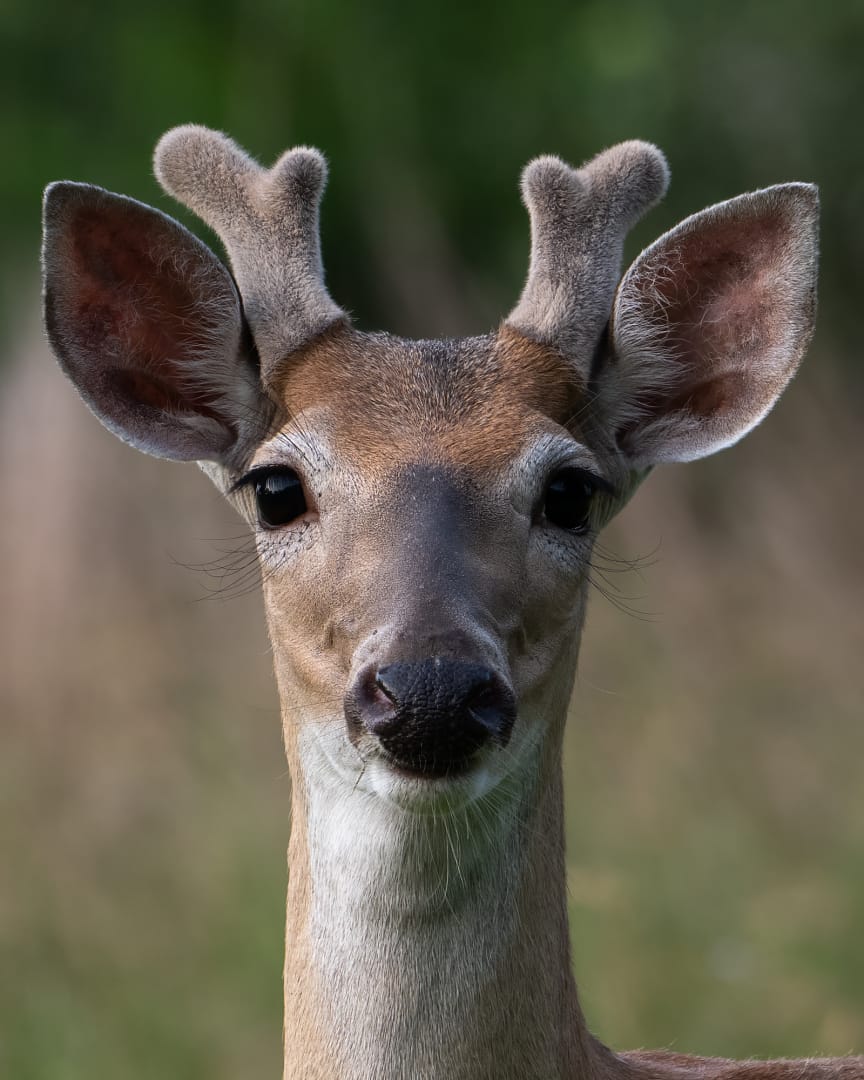
Third Place – Deer, Javelina, Elk, and Pronghorn
Field Note:
Thanks to a portable chair blind and careful attention to scent control, this white-tailed buck with velvet-covered antlers wandered close enough for a portrait. Deer are naturally cautious and will often hold a stare at something they sense could be danger. That moment of hesitation gave me the image I wanted—his large brown eyes fixed directly on my lens, alert yet unalarmed. The stillness between us was fragile, but it felt like a quiet exchange of awareness, a rare chance to meet the wild on its own terms.
Technical details: Nikon Z8, and 200–500mm f/5.6E ED AF-S VR, ISO 720, f/11, 1/125 sec.
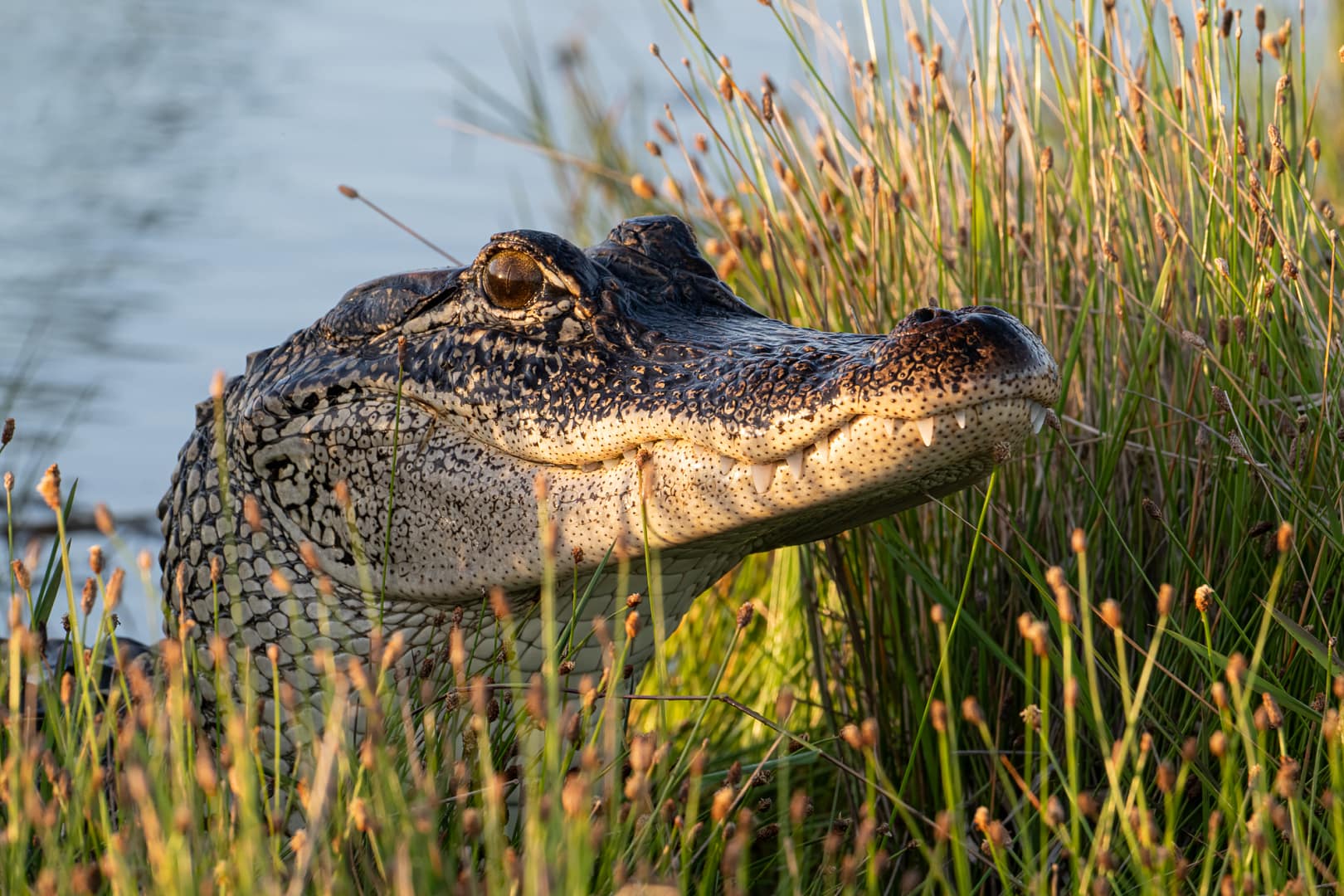
Third Place – Full Frame
Field Note:
Because this alligator had grown comfortable with my presence, he often surfaced close enough for me to fill the frame with detail. His confidence allowed a series of portraits that captured the texture of his scales, the glint in his eye, and the play of light across his ridged back. These uncropped images fit perfectly in the Full Frame category, where the challenge is to compose entirely within the camera’s viewfinder—no cropping, just the truth of the moment as it unfolds.
Technical details: Nikon Z8, and 200–500mm f/5.6E ED AF-S VR, ISO 2000, f/16, 1/125.
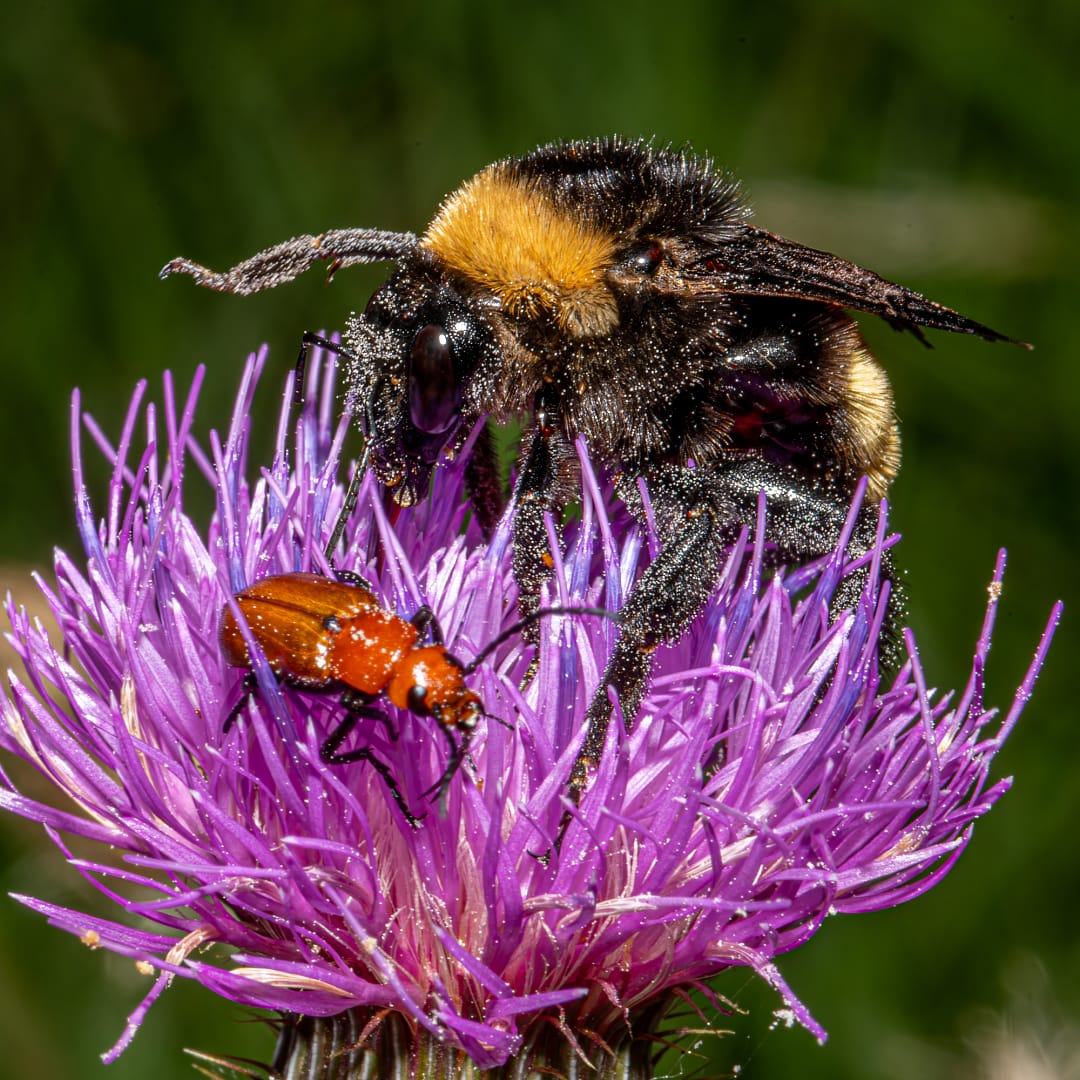
Third Place – Bees, Wasps and Ants
Field Note:
A patch of thistle in full bloom was alive with color and motion—bees, beetles, and butterflies competing for space on the same purple blossoms. The air vibrated with activity, and I wanted to capture that moment in sharp, vivid detail. Using a handheld Speedlight with a diffuser let me keep the depth of field deep and the colors rich. The quick light allowed me to stop down to f/45 and still freeze motion, giving crisp focus while composing on the fly to match the bee’s rhythm of movement.
Technical details: Nikon D850, 105mm f/2.8 Micro-Nikkor, ISO 100, f/45, 1/250 sec, Nikon SB-800 Speedlight with diffuser.
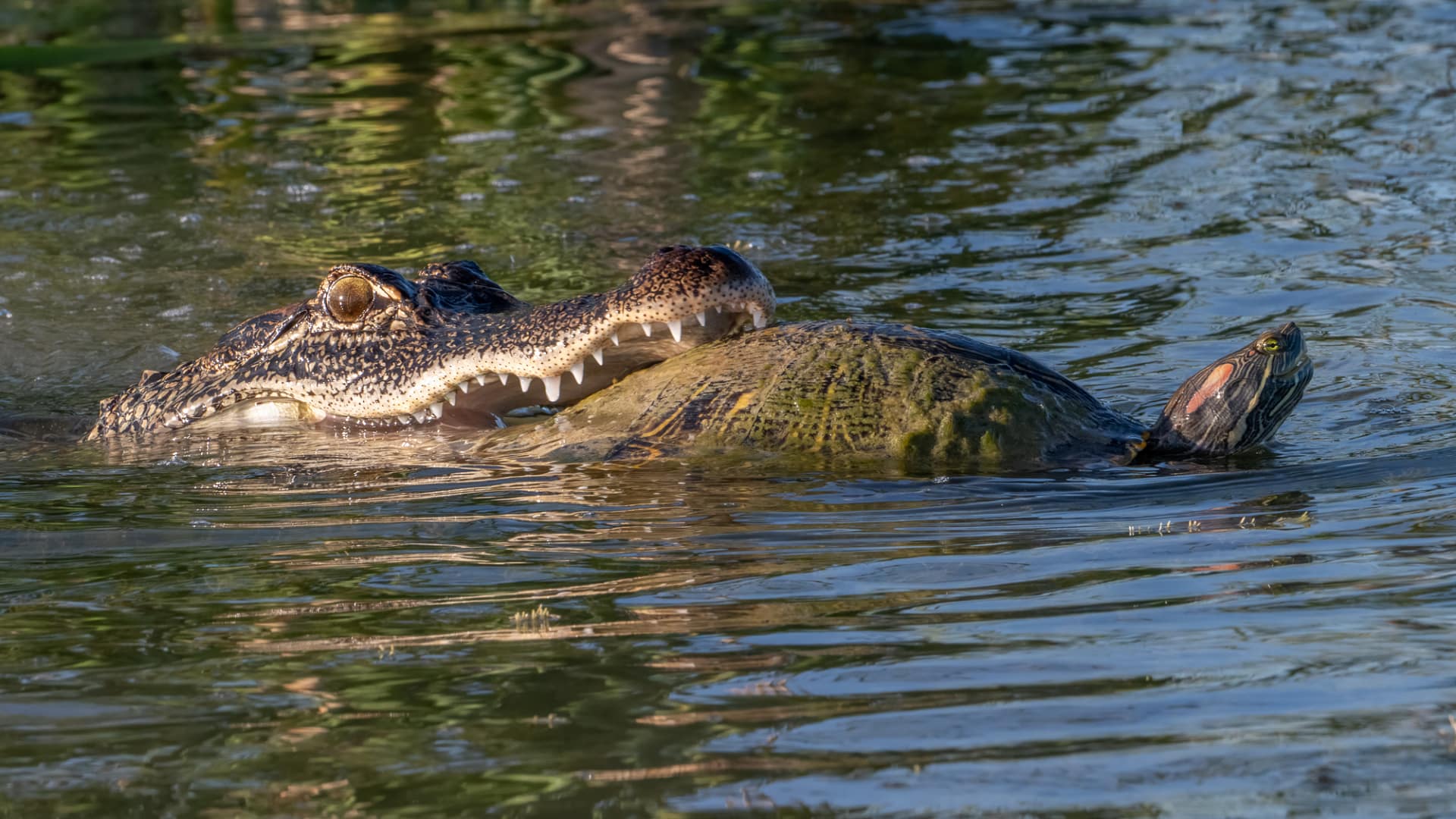
Honorable Mention – All Other Reptiles and Amphibians: Alligators, Salamanders, Newts, and Siren
Field Note:
I arrived at the golden hour close to sunset and found a group of red-eared sliders feeding at the pond’s edge. The alligator glided into that scene, silent and deliberate, as though staking his claim to the food source. Several times he clamped down—not apparently to eat the turtle (this one escaped intact) but to assert dominance. His action reminded me that in wetland ecosystems, power is often about space and access, not just prey. Research confirms that alligators will prey on turtles and possess the bite force to crush even strong shells. That knowledge made the moment hold richer meaning: not simply a photo of resilience, but a window into one of nature’s perpetual negotiations.
Technical details: Nikon Z8, and 200–500mm f/5.6E ED AF-S VR, ISO 2800, f/22, 1/250 sec.
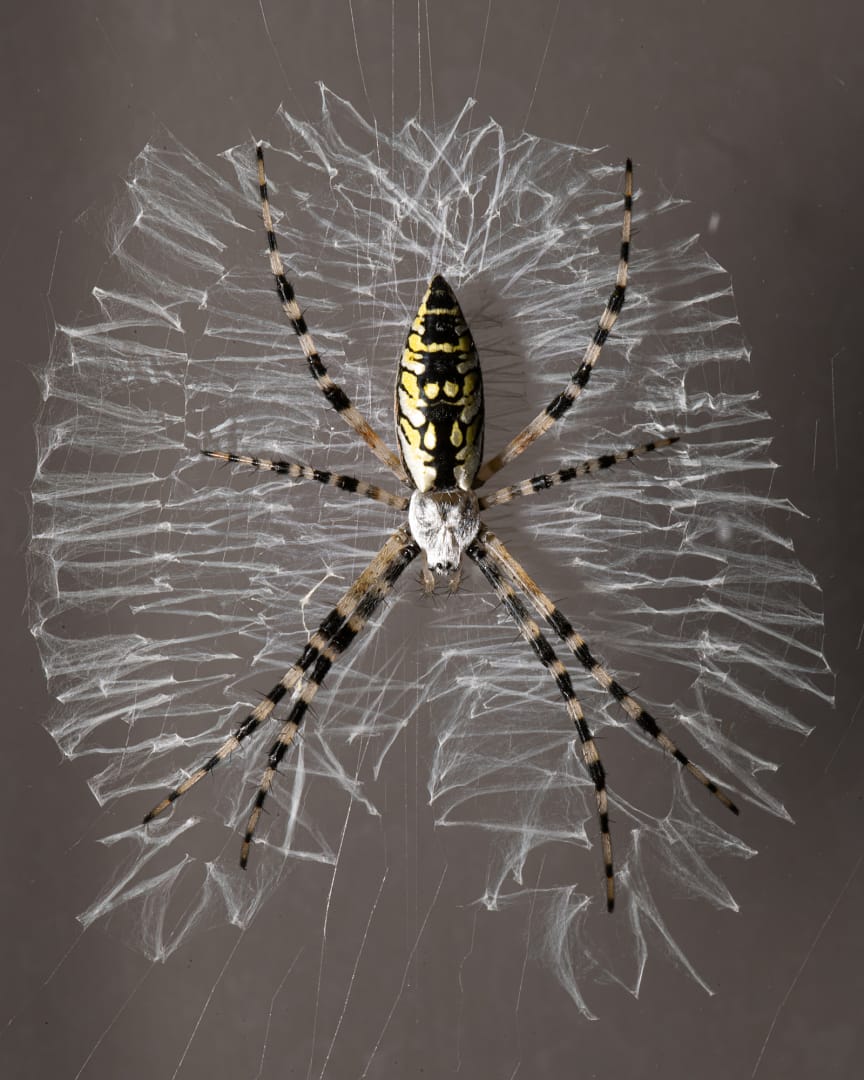
Honorable Mention – Arachnids: Spiders, Scorpions, Ticks, and Mites
Field Note:
While searching for the large and spectacular animals I hoped to include in my competition portfolio, there were quiet mornings when little seemed to stir. On those days, I looked closer. In the first light before daybreak, I found this yellow garden spider poised in her web, each thread beaded with dew. Working slowly with my macro setup on a tripod, I composed the frame to honor her symmetry and strength. With little ambient light to work with, I used the same flash setup as for the bumble bee, balancing the light to reveal the delicate architecture that might otherwise go unseen.
Technical details: Nikon D850, 105mm f/2.8 Micro-Nikkor, ISO 200, f/51, 1/250 sec, Nikon SB-800 Speedlight with diffuser.
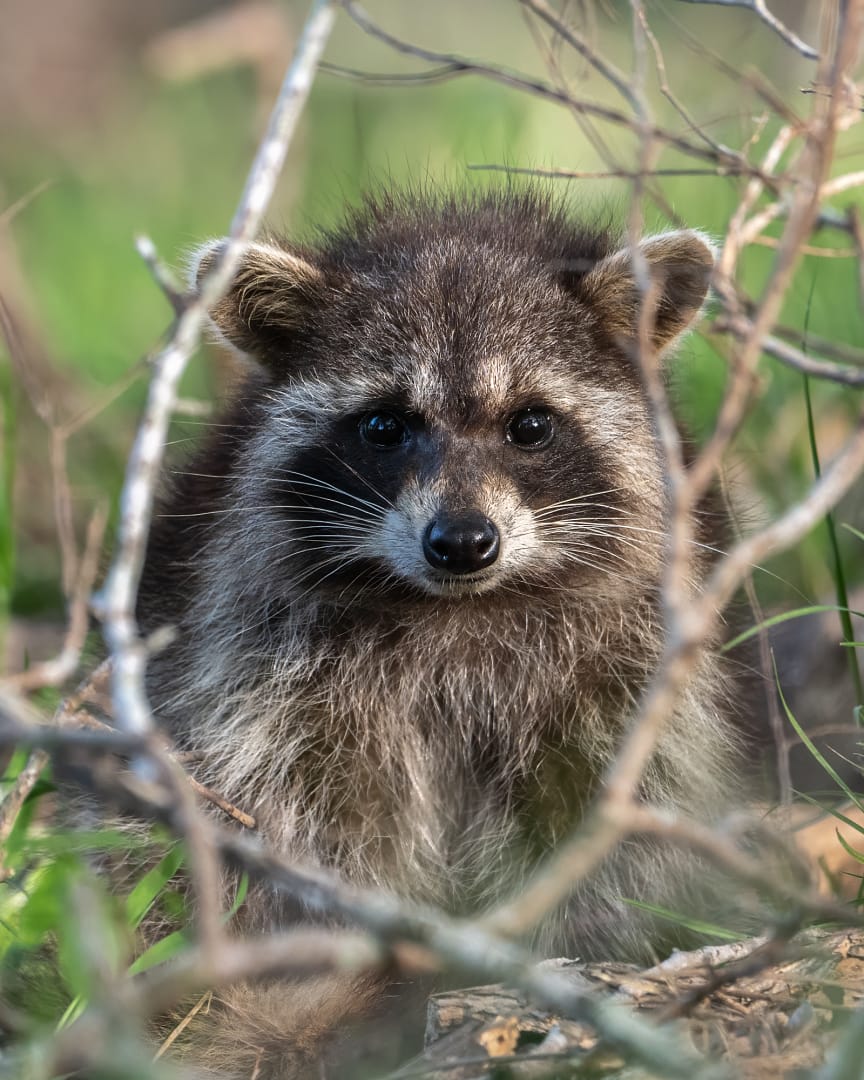
Honorable Mention – Raccoon, Coati, Ringtails, Mustelids, and Weasels
Field Note:
This was one of the first animals I photographed for the competition. Late in the day, as I made my way out of the woods, the light faded quickly beneath the canopy. There, in the gloaming, a young raccoon sat perfectly still—the way young animals often do when danger might be near. I eased down onto the forest floor, lying prone to meet his gaze at eye level. Even when a creature appears motionless, there are subtle movements: breathing, ear twitches, a cautious sniff. To keep those details crisp, I used a fast shutter speed, which required a wide aperture and higher ISO. The moment was brief, but it carried the quiet intensity that makes wildlife photography endlessly rewarding.
Technical details: Nikon Z8, and 200–500mm f/5.6E ED AF-S VR, ISO 2800, f/22, 1/250 sec.
Storytelling Through Video
In addition to the nine winning photographs, I was honored to receive First Place in the Storytelling / Wildlife in Focus Promotional category and Honorable Mention in the Wildlife category for my video work. These short films allowed me to share the same moments of discovery and connection that inspire my photography—only this time, through motion and sound. Click below to watch both.
Looking Ahead
Wildlife photography teaches patience, humility, and gratitude. Competitions like Wildlife in Focus do more than celebrate images—they raise funds for education, habitat restoration, and research that keep Texas wild places alive.
If you’re a photographer or a nature enthusiast, I encourage you to explore organizations like Wildlife in Focus. Each frame we share can help protect the world that gives us these moments.
The Traveling Winners Gallery
Wildlife in Focus takes the winning images on the road as part of a statewide traveling gallery. The exhibit visits museums, libraries, and community centers, giving thousands of people a chance to see Texas wildlife up close and learn about conservation efforts across the state. The 2025 schedule will be posted on the organization’s website once locations are confirmed.
Learn more and check for updates →
We would love to hear you comments. Join the conversation
Sign up for the best photography tips!
Join our mailing list for featured posts