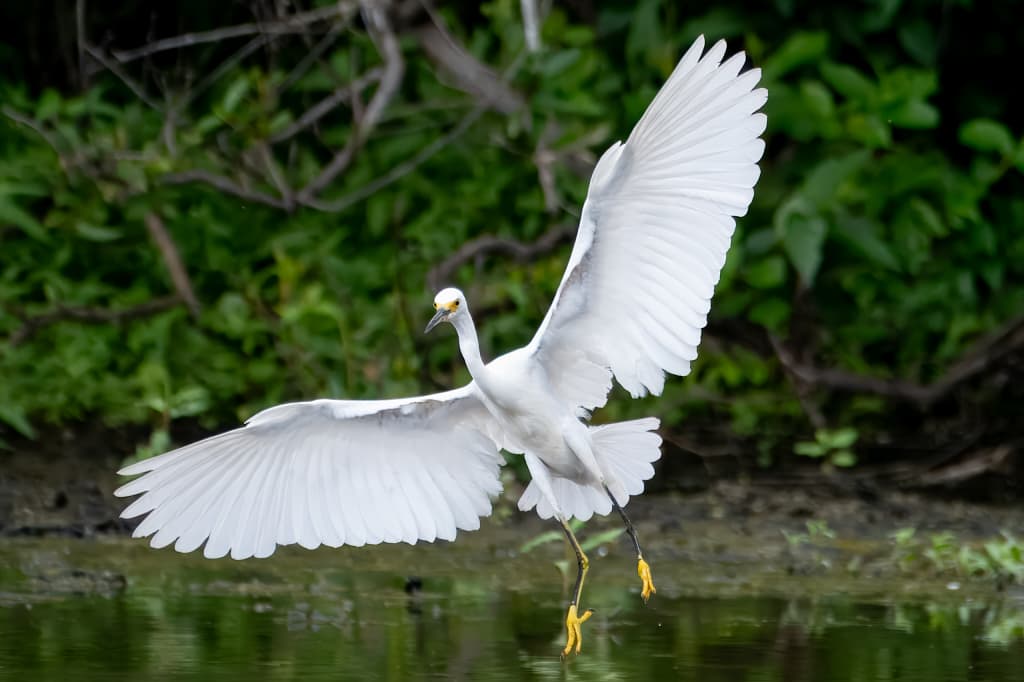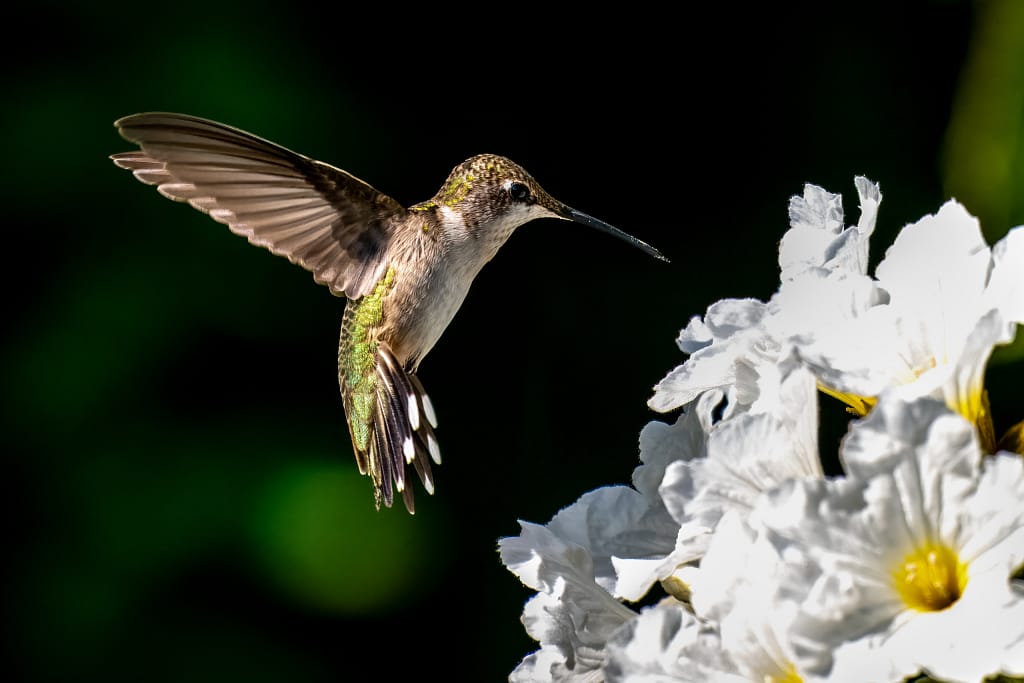

Photographing hummingbirds is a rewarding challenge in wildlife photography. With the 2025 Rockport-Fulton HummerBird Festival approaching, it is the perfect time to practice tips for approaching wildlife, choosing camera settings, and capturing the fleeting beauty of hummingbirds in your backyard or on the trail.
Tips for photographing hummingbirds: steady hands, sharp eyes
Hummingbirds never move the way you expect. They appear out of nowhere, hover for a moment, then vanish like a flicker of sunlight on water. Photographing them asks for more than quick reflexes. It requires quiet attention and a willingness to wait. Festivals like the Rockport HummerBird Festival remind us how many eyes turn skyward for these tiny travelers each year.
Visit the Rockport HummerBird Festival for bird photography opportunities
Each September, thousands of hummingbirds pass through the Texas coast during their southward migration. The 2025 Rockport HummerBird Festival celebrates this passage, drawing birders and photographers alike. Gardens, guided tours, and talks offer chances to learn from experts and observe birds up close. For photographers, the gathering is not only about capturing images but also about experiencing the spectacle of migration in community. Click here for information about the Annual Rockport-Fulton HummerBird Celebration.
Choose the right location for wildlife photography
Start where the birds already come to you. A feeder near flowers, or a patch of native blooms, will keep them circling within range. The best places feel both open and sheltered: enough light to work with, enough cover for the birds to trust. In wild spaces, stand near a patch of red or orange flowers and keep still. The birds will find you.
Use fast shutter speeds when photographing birds in flight
The wings beat faster than the eye can follow. A shutter speed of 1/2000 or faster is usually needed to freeze their motion. If you prefer to show a blur of wings, ease back to 1/500 or 1/1000 and you should get most of the bird in focus while the wings are ablur. High ISO may be necessary in shade, but detail in the feathers is worth the trade.

Pay attention to light in photography of birds
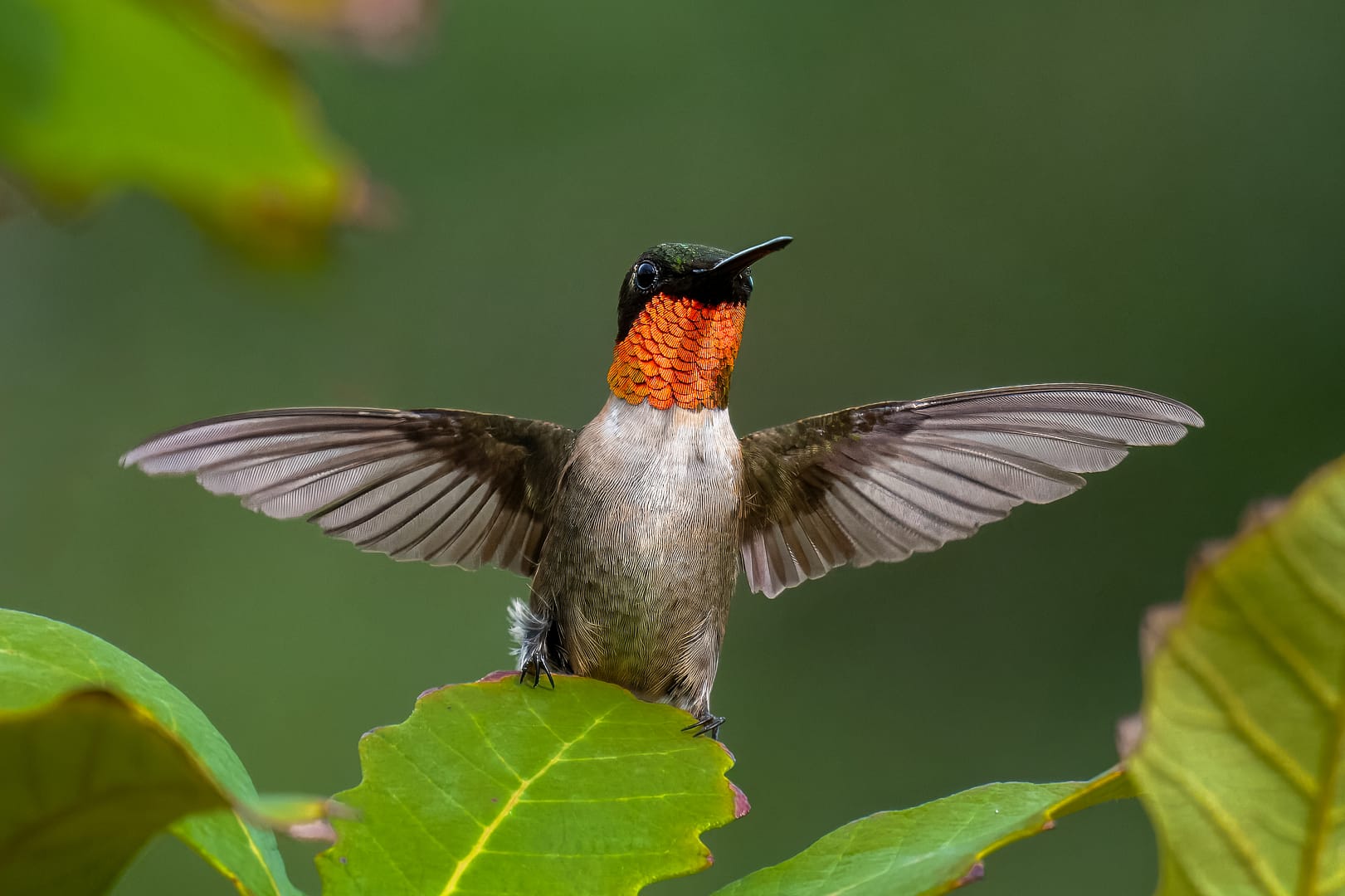
Early morning and late afternoon offer softer light that reveals iridescent colors without harsh glare. Position yourself so the sun falls from behind you. Hummingbird feathers catch the light like prisms; shift a few steps and the same bird turns from emerald to coal.

Practice approaching wildlife with patience
A hummingbird may hover inches from your face, but it is never tame. Your role is to wait. Resist the urge to follow every movement with your lens. Pick a flower or feeder and let the bird come back to it. This rhythm of waiting and returning is where the best frames happen.

Use continuous focus and burst mode for bird photography
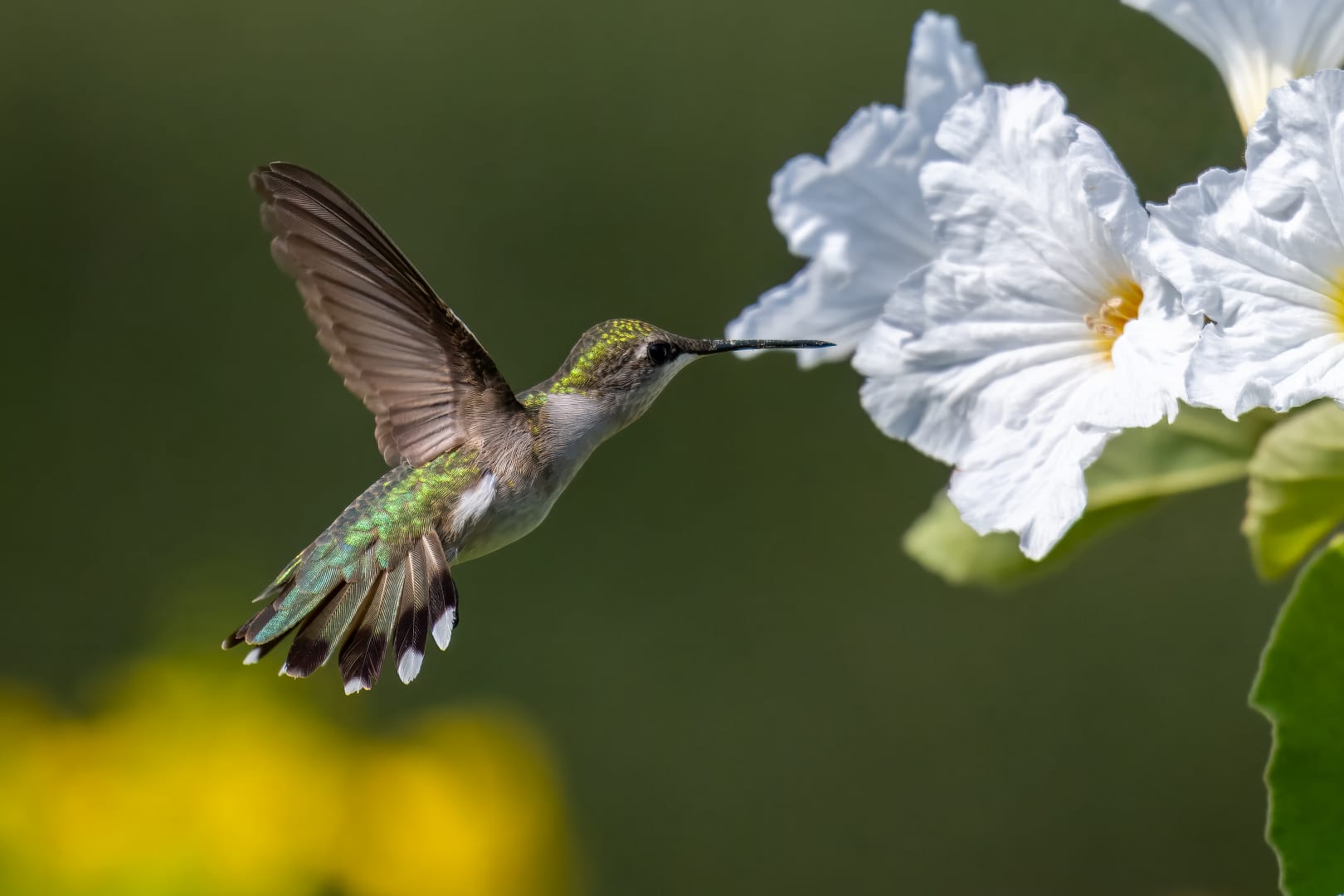
Set your camera to track moving subjects and hold focus as they dart in and out. Burst mode helps capture the instant when the beak meets the bloom, or when a hummingbird pauses in perfect stillness mid-air. You will take many frames, but among them will be a moment that feels like a gift.
Stay grounded in observation, not just technique
The photographs matter, but so does the time spent watching. Notice the sound of wings, the pause before they drink, the way each bird defends a patch of flowers as if it were a kingdom. The camera teaches you to see, but the seeing lasts long after the picture is made. At gatherings like Rockport’s festival, that sense of seeing is multiplied, shared across a crowd of quiet observers.
Sign up for the best photography tips!
Join our mailing list for featured posts