
Wildlife photography depends on light, on how it falls, reflects, and fills a shadow. When photographing hummingbirds, flowers reflect sunlight that softens shadows with a beautiful glow. Learning to use this reflected light can transform your bird photography, from intricate details to fleeting moments in flight.
The hummingbird is a restless subject. Even when we master shutter speed and focus, something feels missing if the light is harsh or the shadows too deep. Flowers themselves often provide the missing piece. Their blooms act like natural reflectors, throwing sunlight back into shaded feathers and illuminating the bird with a softness no flash can match.
This is a step beyond simply finding good light. It is about learning to notice how blossoms shine and using that reflected glow to fill the space where a bird hovers.

Wildlife photography tip: blooms as natural reflectors
If you have ever used a reflector in portrait photography, you already know this trick. Bright petals catch the sun and bounce it back. White or pale blossoms provide the cleanest fill light, while yellow, red, or pink add a wash of color that mingles with the iridescence of feathers.
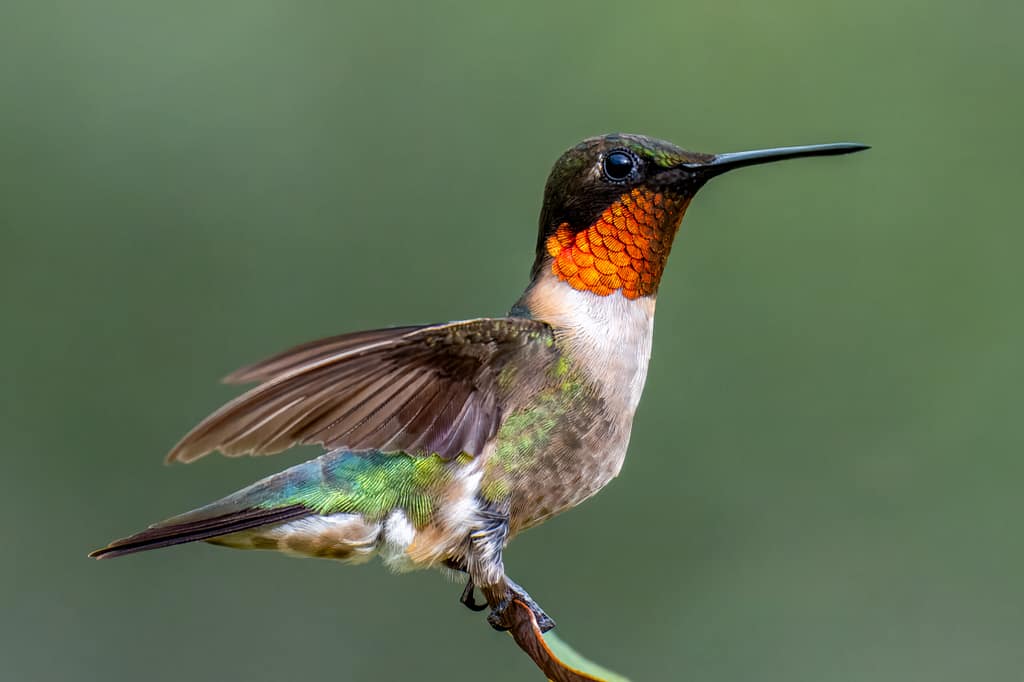
A hummingbird’s lighter breast plumage will take on a warm color and it’s green back may take on a golden shimmer near yellow flowers. White blooms create a cool angelic glow that softens the lines of wing and beak. This light fills the shadows beneath the bird, making details visible without flattening the image.

Approaching hummingbirds with patience and awareness
In an earlier piece on photographing hummingbirds at the Rockport HummerBird Festival, I wrote about patience and settings. Those lessons still hold. The difference here is where we place our attention. Instead of focusing only on the bird, we also pay attention to the effect the flowers have in shaping the light.
Choose a place near blooms with good sun. Let the bird circle back to them. Watch how the petals brighten in mid-morning or late afternoon, and wait for the moment when a hovering bird drifts into that glow.

Photographing birds in flight with reflected light
When photographing hummingbirds in motion, use a fast shutter speed, but also compose so that the flowers themselves are in play. Position yourself so blossoms stand opposite the sun, reflecting into the shaded side of the bird.
The result is a balance: hard specular sunlight on one side, gentle reflected light on the other. The bird hovers in a pocket of illumination that feels natural, almost sacred, as if the flowers themselves were lending their radiance.

Catchlights in hummingbird eyes
In portrait photography, we always look for light in the eyes. A reflection from the sun or a studio lamp becomes what photographers call a catchlight. It is the small, bright spark that gives eyes their sense of life. Without it, even the sharpest portrait can feel flat or strangely empty.

Look closely at these hummingbirds. In some of the photographs you will see a sharp catchlight from the sun, in others a softer one reflected from the blossoms themselves. That tiny gleam makes the difference between an eye that looks alive and one that seems lifeless. Flowers, it turns out, do more than fill shadows with reflected light—they also awaken the eyes of the bird.

Why reflected light matters in wildlife photography
These moments are brief. The bird hovers, the glow lifts, and then it is gone. But they remind us of something essential: wildlife photography is not only about the subject, it should sometimes include the setting. Flowers are not just background. They shape the light, they shape the mood, and they can turn a sharp capture into an image that feels like memory itself.
For more on settings, patience, and camera choices, visit my earlier post on photographing hummingbirds at the Rockport HummerBird Festival. Together, the two pieces offer both the technical grounding and the subtle use of light that bring these tiny birds into focus. To learn about the the HummerBird Festival visit https://www.rockport-fulton.org/HB/
We would love to hear your thoughts. Click here to leave a comment.
Sign up for the best photography tips!
Join our mailing list for featured posts