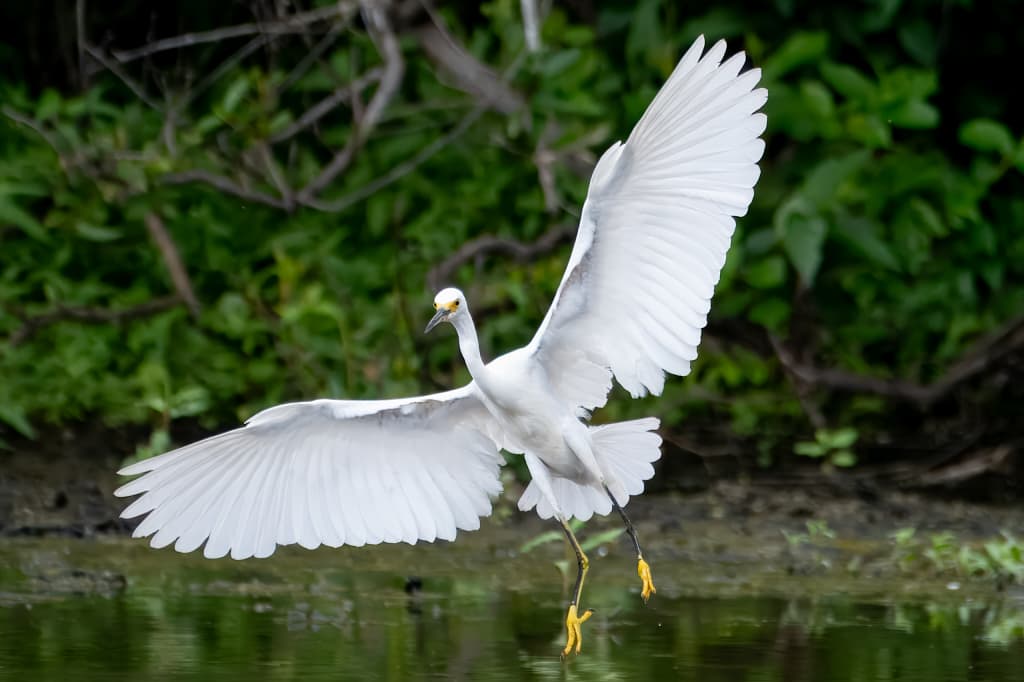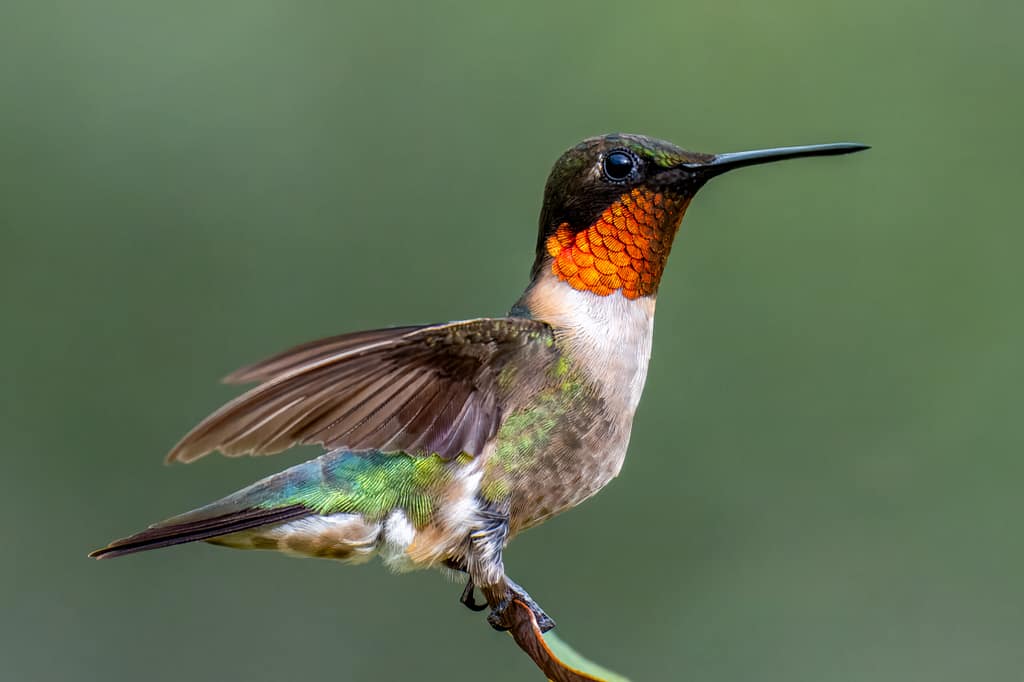
Wildlife photography isn’t just about sight. Scent control products like sprays, soaps, and repellents help photographers stay unnoticed and capture animals naturally.

Why scent control matters
Animals often trust their noses more than their eyes. A sudden shift of wind can reveal a photographer long before a shutter is pressed. Just as camouflage helps us blend into the visual landscape, scent control helps us fade into the air around us. Hunters have long relied on these tools, and wildlife photographers can benefit from them for the same reason: to remain present without disturbing the moment.
Fresh earth spray for natural cover
Hunters Specialties Scent-A-Way MAX Fresh Earth Spray layers a woodland scent over human odor. It mimics the smell of soil and leaves, helping you merge more seamlessly with the natural environment.
Soap and shampoo for a clean start
Many regular soaps leave behind perfumes or chemical scents that wildlife can detect with ease. Using a scent-control wash removes those traces, making you less noticeable in the field. One product I’ve found effective to provide a neutral baseline is Hunters Specialties Scent-A-Way MAX Liquid Body Soap & Shampoo.

Antiperspirant to manage sweat
Whether hiking to a location or sitting for hours, sweat builds and carries human odor. Antiperspirant reduces that problem by preventing sweat, helping you stay undetected. Hunters Specialties Scent-A-Way MAX is a terrific line and their Odorless Antiperspirant addresses the common scent issues related to perspiration.
Odorless insect repellent
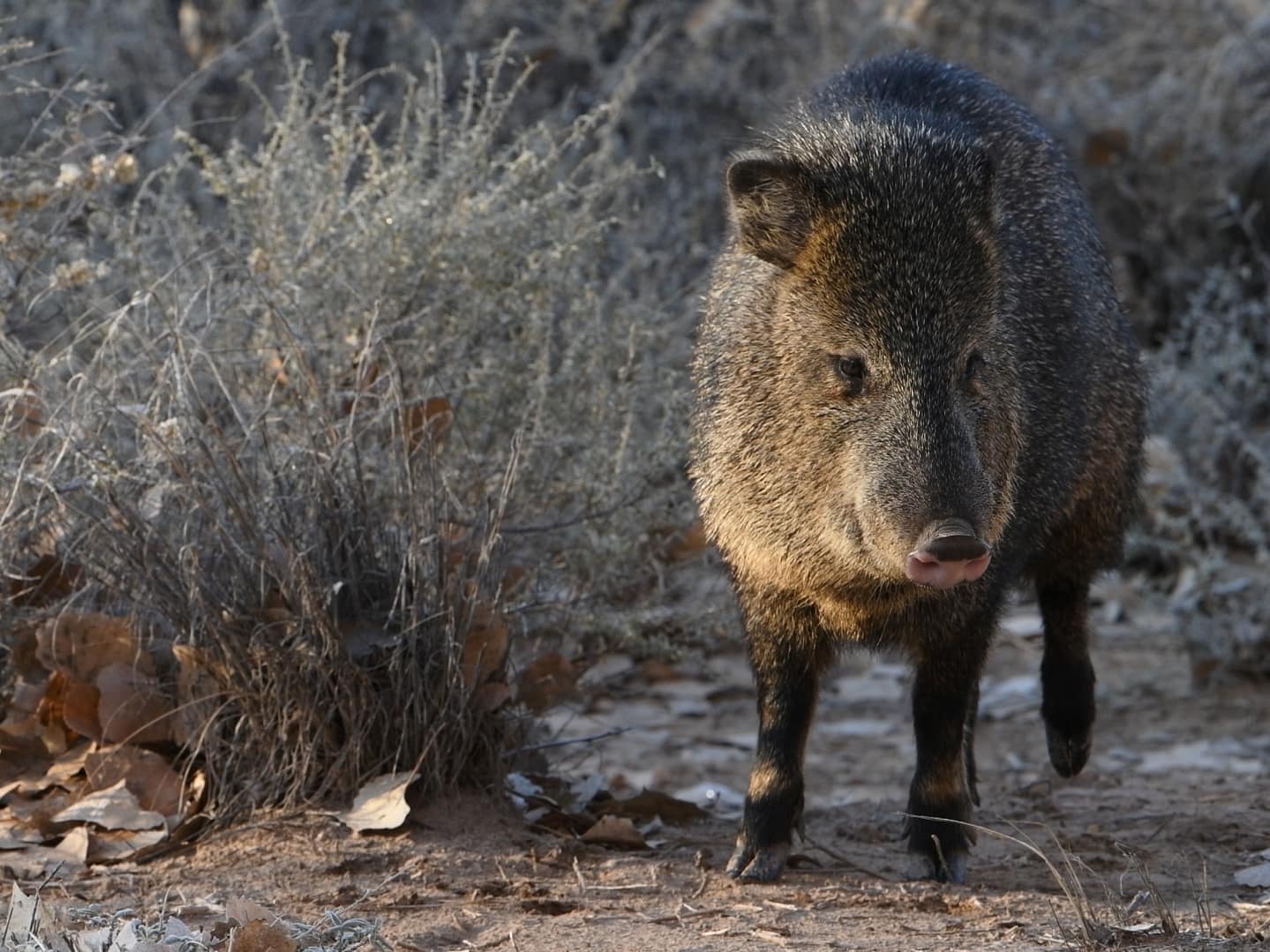
Comfort matters, because the longer you can sit still, the more likely you are to capture the photograph you’ve been waiting for. Bugs seem to really like to feast on me, and I’ve learned that once they find me, patience quickly turns into misery. Ben’s Hunting Formula Tick & Mosquito Repellent protects against biting insects without the sharp, chemical smell so many repellents carry. It keeps me comfortable and safe, while also letting me stay concealed from wildlife.
Working together for quiet presence
Used together, scent masking products reduce the human signature in the wild. They will not make us invisible, but they let us wait more quietly, both to the eye and to the nose. Just as earth tones and camouflage soften our appearance, scent control softens our presence. The reward is more time, more trust from the animals, and photographs that carry the closeness of the moment.

If you missed it, you can read Part One: Camouflage tips for wildlife photography. The next post is coming soon and and will turn to the practical side, a Guide to Concealment Gear that helps you stay hidden without losing comfort. For another perspective, take a look at related reading How to approach wildlife for photography which explores the patient movements and small decisions that bring animals closer instead of driving them away.
Questions or comments? Click here.
Sign up for the best photography tips!
Join our mailing list for featured posts