
If you’re looking for the best cameras for nature photography, especially as a beginner, you’re not alone. There are some great cameras on the market today. There are two main types available. DSLR have been around for a while and mirrorless cameras are the latest advancement. Many seasoned photographers are switching to mirrorless for wildlife, landscape, and outdoor photography. These cameras offer advanced auto focus, lighter weight, and, in my opinion, better tools for nature work—making them a smart choice if you’re just starting out.
Nikon and Canon are probably two of the most recognizable names but there are several manufacturers offering great quality equipment. I will suggest several in this post.

Why I Switched from DSLR to Mirrorless
I spent years working with Nikon DSLRs—tried and true cameras that held up through rigourous use. They served me well for many years of professional photography. In fact, Nikon still offers some very fine DSLRs, including a flagship D6. In the right hands, any of them are capable of making superb photographs.

Faster, smarter autofocus. Recent Z bodies recognize subjects like people, animals, vehicles, and, on newer models, birds. The camera will hunt for an eye or head and stay locked while the subject moves, which is a big step up from my DSLR experience. Exact options vary by model, but Z9, Z8, and Z6 III all include advanced subject detection suited for wildlife.
What I see is what I get. The electronic viewfinder shows exposure and color in real time, so blowing out a white egret or underexposing a backlit heron is less likely. It also stays smooth during bursts on bodies with blackout-free viewing, which helps track erratic flight.
Fewer missed moments. Pre-Release Capture quietly buffers images before I fully press the shutter, so it can record the instant a tern dives or a hawk takes off. This only works if you are recording JPEGs so I don’t use it but it may be something you like.
Lighter long lenses. Nikon’s Z-mount “PF” super-telephotos are much easier to carry. As one example, the NIKKOR Z 800mm f/6.3 VR S weighs about 2.4 kg, roughly half the weight of the old F-mount 800mm f/5.6. Hand-held shooting and long hikes are more realistic now.
My F-mount glass still works. With the FTZ II adapter, most AF-S and AF-P lenses autofocus and meter normally on Z bodies. That let me switch camera bodies first, then upgrade my telephoto later.
If you’re on a budget, a used DSLR can still take you far. In this post you will see photos I made with several different cameras over the years. They include cameras you may find on the used market. But if your budget allows for a new system, a mirrorless setup will give you tools that will serve you for years to come.
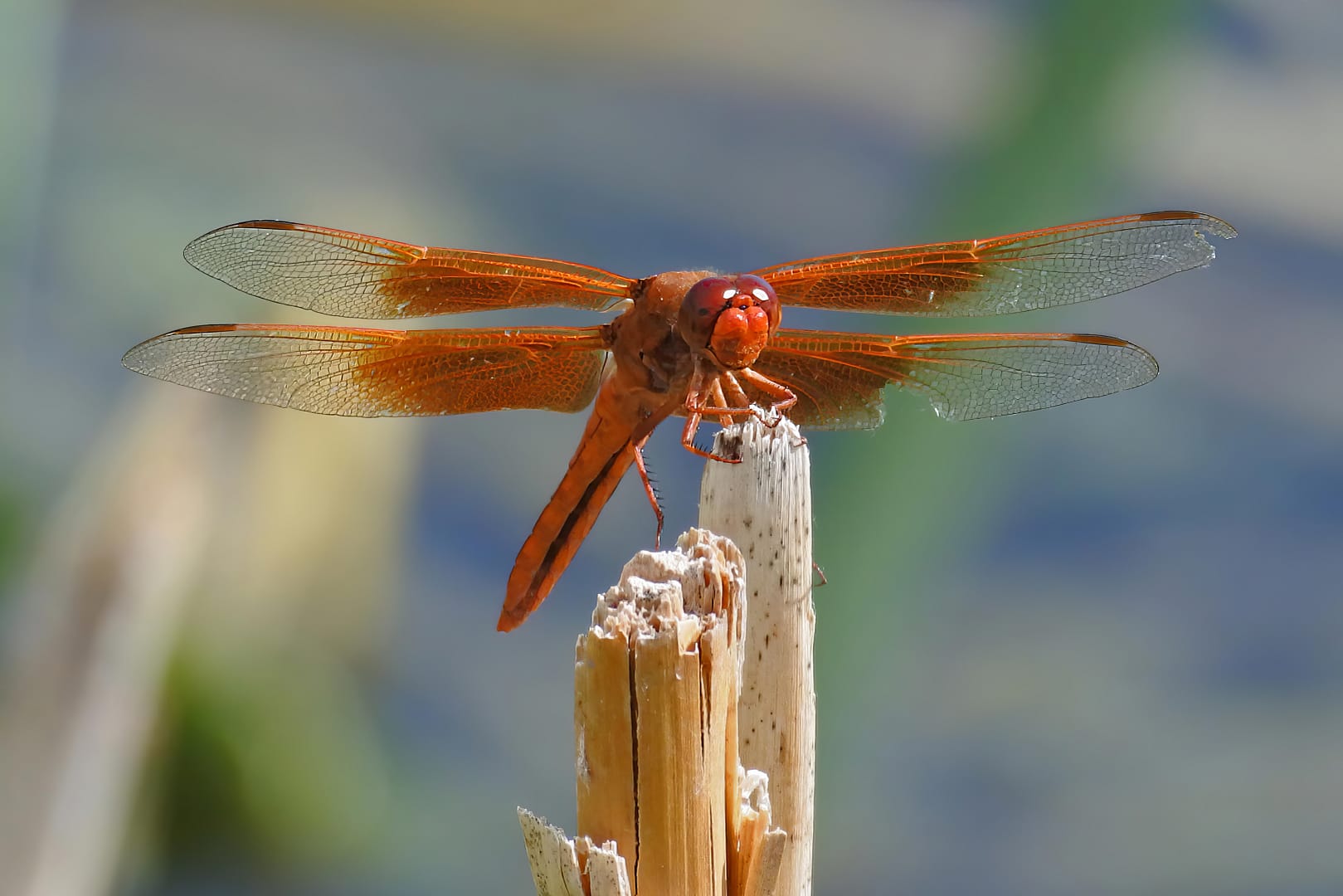
Good Cameras Don’t Replace Good Habits
The camera you choose matters—but it doesn’t matter most. It is more important to understand your camera’s functions and be able to move through them quickly and accurately. You must also learn to anticipate and predict the flow of animal movements. All this while effectively composing and exposing your shot. Sounds intimidating? Don’t let this discourage you. The more time you spend afield, the more instinctive these skills become.

Shop for your camera carefully and get the highest quality telephoto lens you can afford. A solid piece of glass (jargon for camera lens) will carry you through several camera upgrades.
Affordable Mirrorless Cameras Under $2,000
These cameras have a smaller image sensor than that of full frame cameras and are generally more affordable. They are lightweight, capable, and strong enough to grow with you.
Nikon Z50 II
A compact, reliable choice from Nikon. Quick autofocus, sharp images, and works with older Nikon lenses using an adapter.
Canon EOS R7
A favorite among birders and wildlife shooters. It’s fast, steady, and tracks subjects well, even in motion.
Sony a6700
Sony’s autofocus is hard to beat. The a6700 is versatile and compact—good for both stills and video work.
Midrange Full-Frame Mirrorless Cameras
These are ideal if you want more detail and better low-light performance.
Nikon Z6 II
Feels familiar if you’ve shot Nikon before. Handles well, performs in shadows, and gives room to grow.
Canon EOS R6 Mark II
Quick to focus, strong in dim conditions. Great for wildlife, and Canon’s lens options keep expanding.
Sony a7 IV
Balanced, dependable, and sharp. Whether you shoot birds, beaches, or backroads, it’s built to keep up.
My Top Camera Choices for Advanced Wildlife Photography
If your days start before sunrise and end in the blind, these are worth the splurge.
Nikon Z8
Fast, rugged, and incredibly precise—especially strong for bird photography thanks to Nikon’s top-tier subject tracking. I’ve used several cameras over the years, but the one that’s earned a permanent spot in my bag is the Nikon Z8. Its subject tracking, especially for birds, feels almost intuitive—and in the kind of wild, shifting light I often shoot in, that kind of reliability matters more than numbers on a spec sheet.
Sony a1
Exceptionally fast and feature-rich, with excellent subject tracking and reliable performance in the field. A flagship camera built to meet the demands of serious wildlife shooters.
High-resolution, well-balanced, and versatile—great autofocus and image quality make it a solid option for wildlife, especially when paired with Canon’s lightweight RF lenses.
Final Advice for Aspiring Nature Photographers
Start where you are. Use what you can afford. But above all, spend time outside.
The camera is a tool—but vision, timing, and patience make the picture. Don’t worry too much about megapixels. Learn how the subject is illuminated at dawn. Watch how animals pause before they move. And take the shot, even if it’s not perfect. The best photographs often start as quiet moments you almost didn’t notice.

Sign up for the best photography tips!
Join our mailing list for featured posts
Wow this is great stuff Martin 👏 I wish I could just buy everything you use! I would love to see all it takes to get the job done in one shopping cart style list. Maybe a beginners list 🤔 Or full on I’m loaded and can buy it all list?
That is a great idea Cody. I’m going to work that in as one of my gear posts.