If you’re just starting out in wildlife photography, photographing birds can help you build your skills quickly. Common backyard birds like cardinals and grackles, are easy to spot, often stay in one place long enough for a photo, and offer rich colors and behaviors to capture. If life near a wetland area or park pond you may see a variety of wading birds. This post shares a few of the best birds for beginner photographers to practice with—especially if you’re learning to shoot in your own backyard or neighborhood.
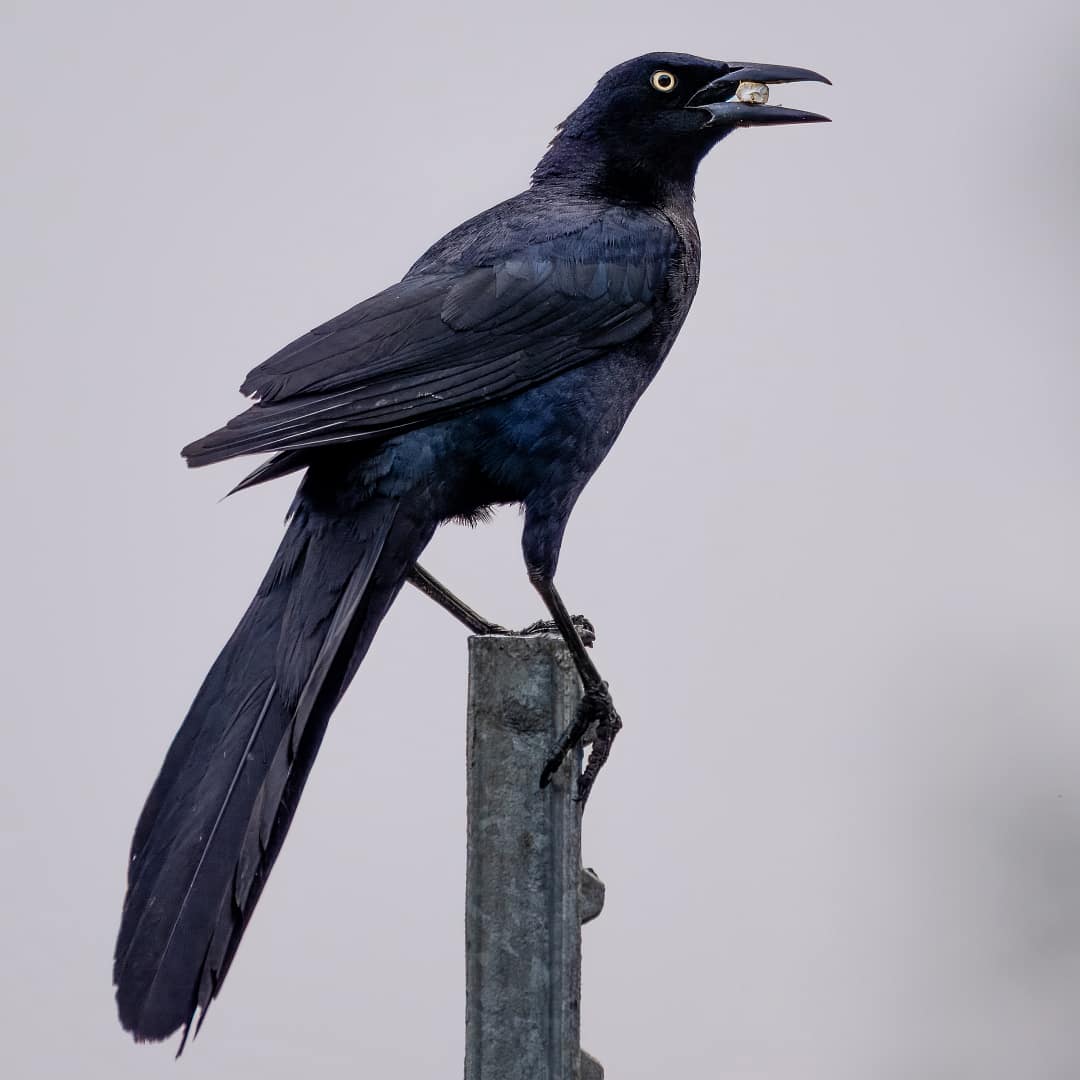
Great-tailed Grackles bring attitude, perfect for practice
Bold and noisy, they strut across lawns and parking lots, often letting you work close without stress. Find a repeat perch like a fence post, pre-focus, and wait for the head tilt, tail fan, or call. Use side light to pull out the blue and purple iridescence, and add about two-thirds stop of exposure so the blacks hold detail. For action, aim near 1/2000 second as they toss food or chase, and keep a respectful distance even with confident birds. If you can. use a tripod or monopod for support, you will increase your odds of getting great shots.

Egrets and heron stand still, so you can focus
They pace the shallows with deliberate steps and then freeze before a strike, giving you a beat to frame and lock focus. Track with your eyes first to learn the cadence, then raise the camera when the neck starts to coil. Stay low, move slowly, and keep a respectful distance so the bird stays relaxed. Watch your exposure on that bright plumage, especially against darker water. Photographing a great egret sharpens patience, timing, and fieldcraft.

Northern cardinals: The easiest bird to photograph
The northern cardinal is a beginner’s favorite for a reason. That flash of red against winter branches or late-summer greens is hard to miss. They’re not shy, either. Most mornings, I hear their whistle before I see them, perched on a wire or tucked into a bush like a glowing ember. Their stillness makes them perfect for practicing focus and composition. Their bright red color looks great in both soft early morning light and direct sunlight.
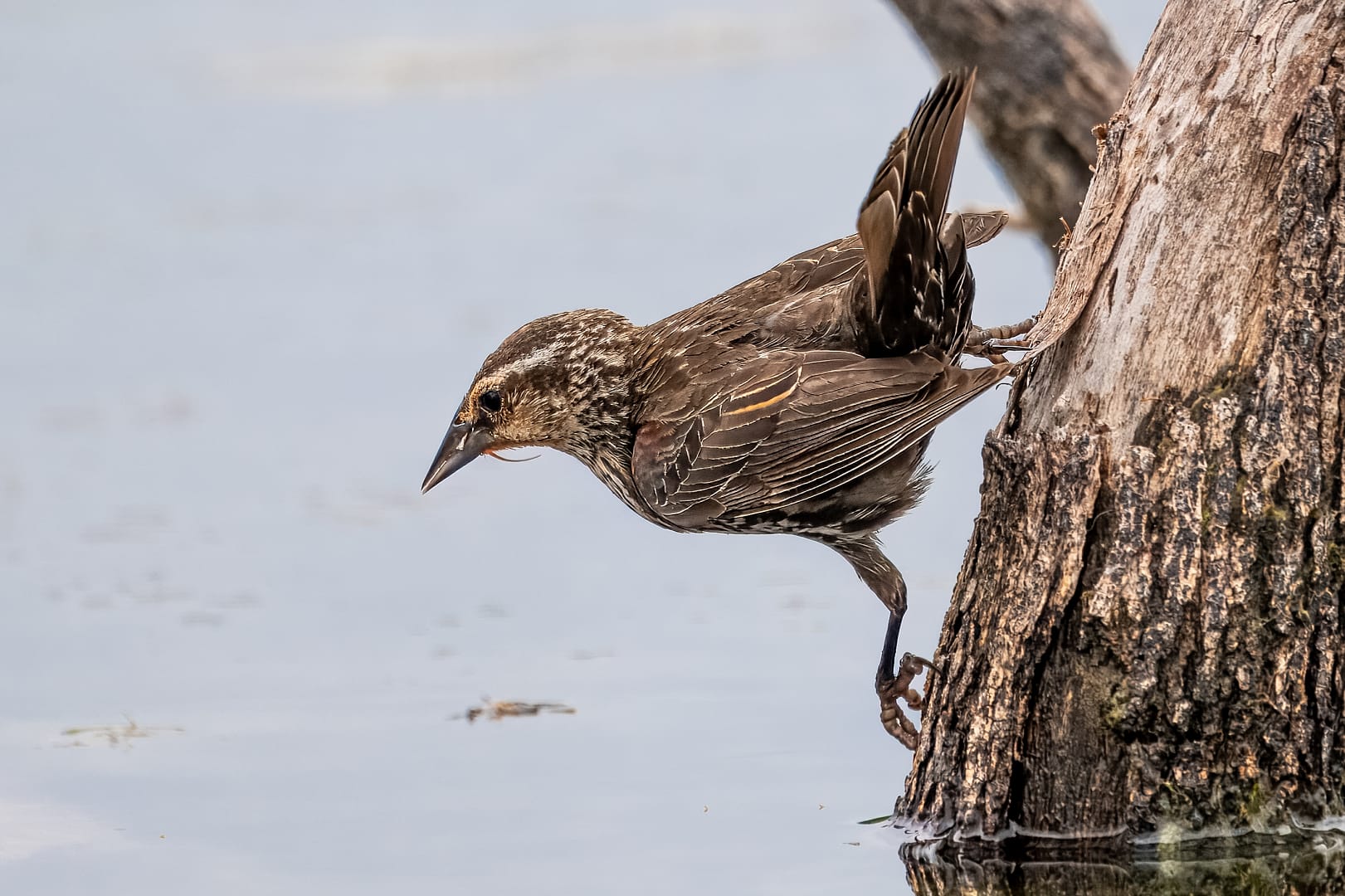
Red-winged Blackbirds: A lively way to learn bird photography
Males perch on cattails or wires and belt out their conk-la-ree, flashing red and yellow shoulder patches. Stake out a favorite perch, pre-focus, and wait for the wing flare or open beak call. Their blacks need careful exposure, so add a touch of light or use side light to pull feather detail. Females are streaky brown near the reeds and reward a quieter approach.
Some of these birds return daily: Practice makes better
What makes these birds ideal for new photographers isn’t just that they’re easy to find. It’s that they come back—day after day, often to the same spots. That repetition lets you improve without needing to travel far. You can work with changing light, different angles, and try again when you miss.
You will learn much from sitting on the porch watching the same few birds.
Beginner bird photography tips: Slow down and see more
Bird photography starts with stillness. Not in the subject, but in you. The birds mentioned here offer more than practice—they teach a way of seeing. They’re reminders that beauty is often just a few feet away, if you wait long enough to notice.
Sign up for the best photography tips!
Join our mailing list for featured posts