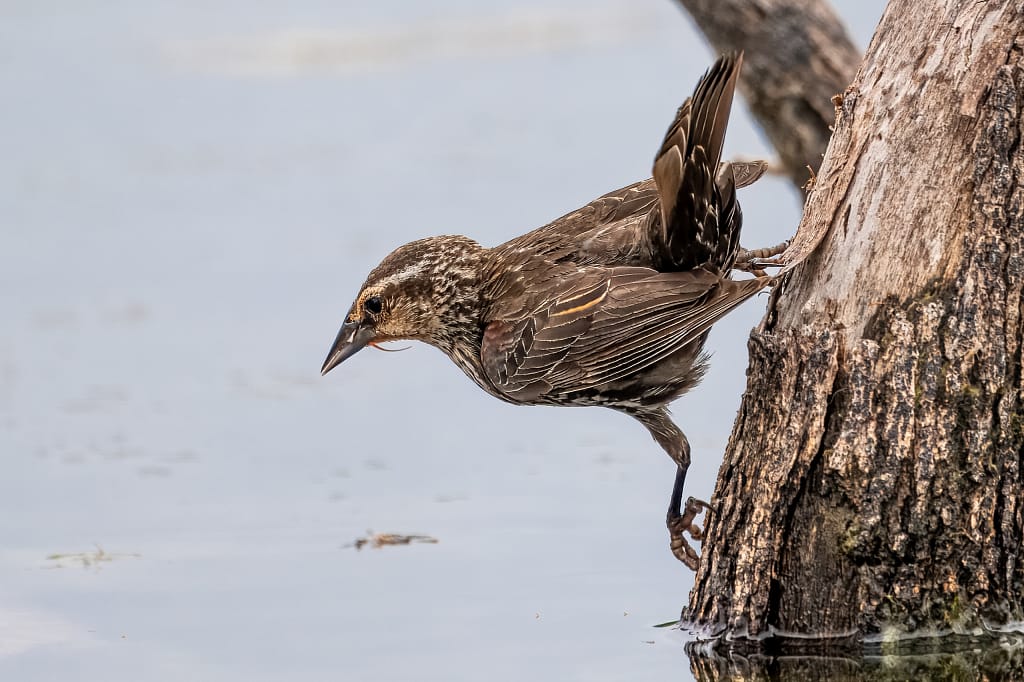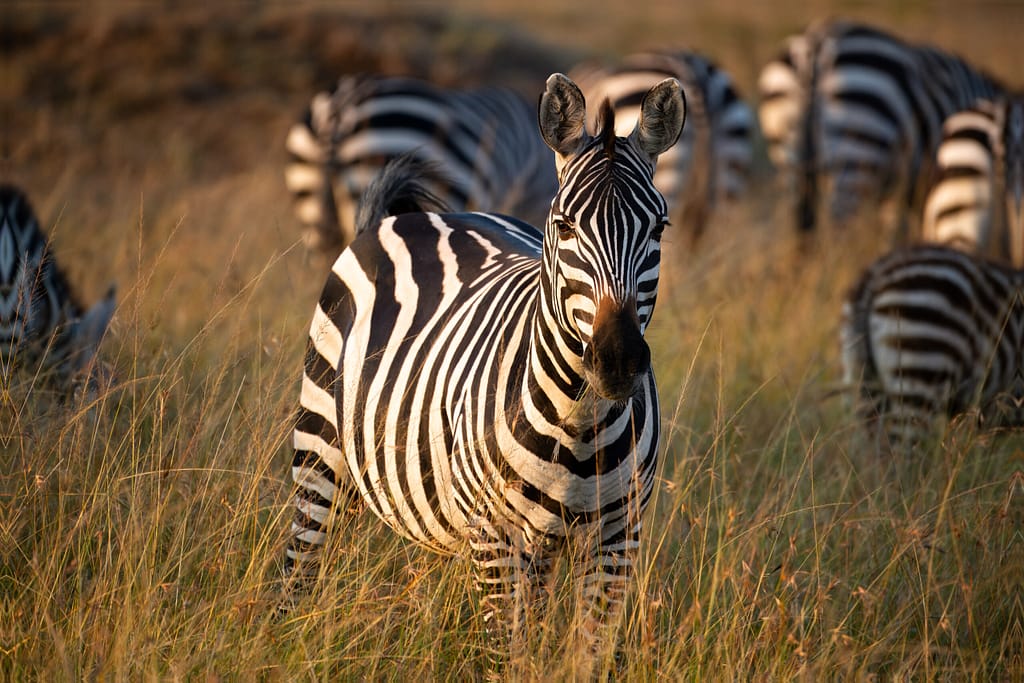
Wildlife photography does not necessarily require a high-end camera or a trip to the desert. Some of the best subjects are already nearby—birds on fenceposts, lizards on a warm stone, or butterflies hovering near native flowers. For beginners, Texas offers easy, accessible wildlife that can help you learn your camera and sharpen your eye.
Some of the first animals you will see might not be rare or dramatic. They might be common neighbors—the kind that show up quietly and hold still just long enough to be noticed. Over time, these small encounters will teach you to slow down and pay attention.
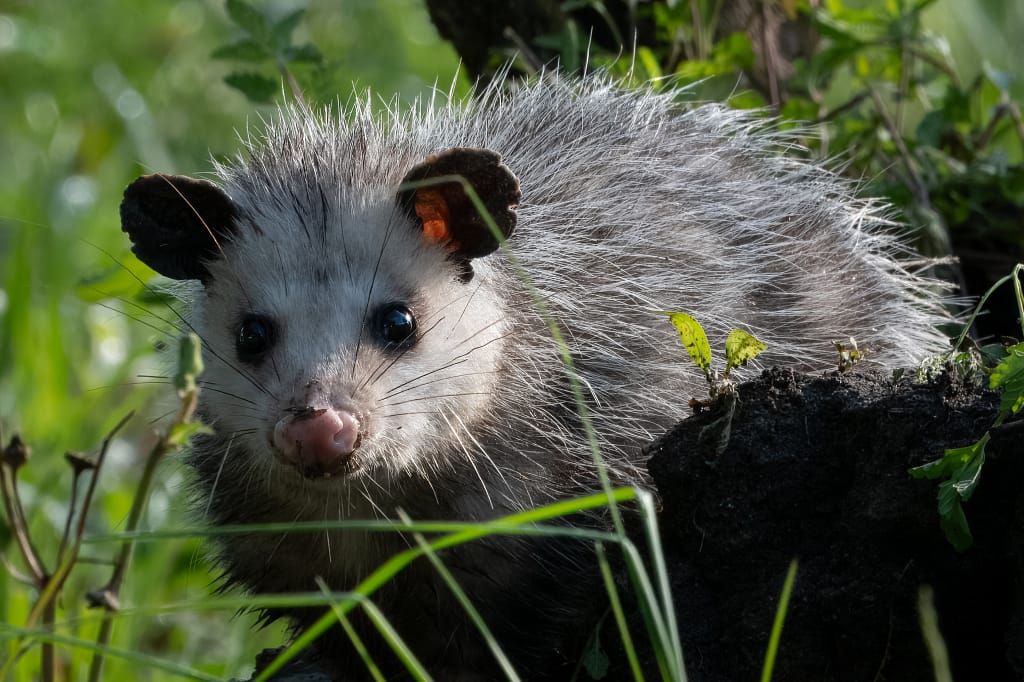
This guide focuses on easy wildlife to photograph in Texas: species that are common, approachable, and rewarding for beginners.
Why common wildlife makes great photography subjects
Animals that appear often and either move slowly or stay a while help build your rhythm as a photographer. They let you practice focus, exposure, and timing without needing a perfect setup. You’ll start to notice how light changes across the hour, how shadows fall, and how your own breathing affects the shot. And once you realize how much beauty is hiding in plain sight, you’ll never walk through your neighborhood the same way again.
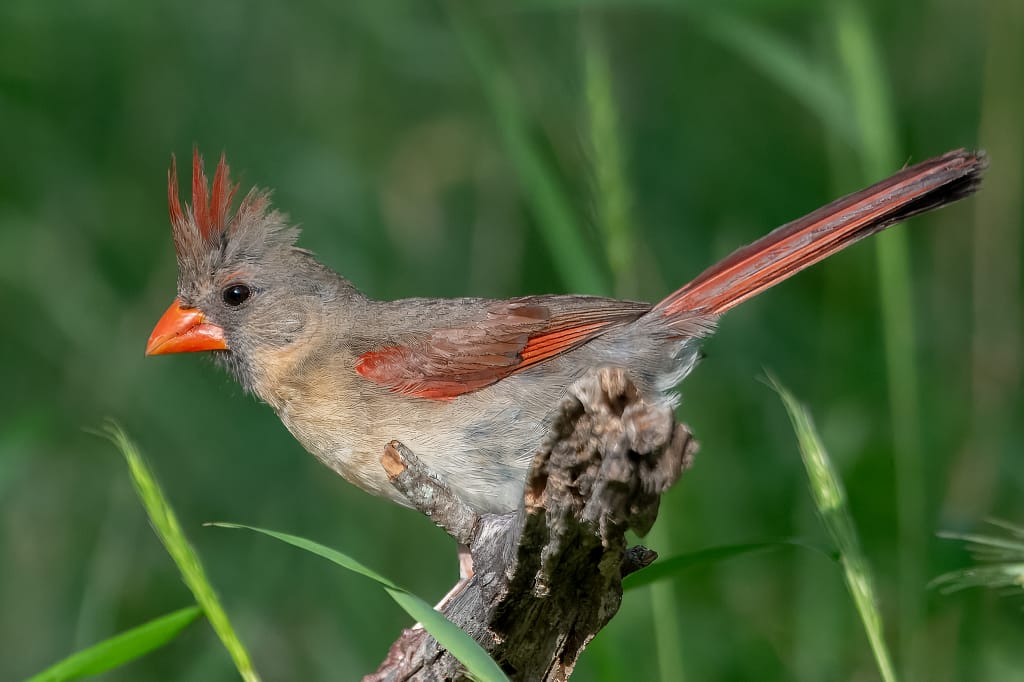
Photographing backyard birds in Texas
Some of the birds described here are widely common so even if you are not in Texas, you may find them in your neighborhood. These birds are easy to spot, active during the day, and surprisingly expressive. Neighborhood birds are like nature’s practice subjects—always nearby, always teaching. Skip them, and you miss the chance to fine-tune your skills on creatures that practically pose for you.
- Northern cardinals – Vivid color, calm posture, and easy to find in neighborhoods.
- Great egrets – Long, slow movements make them ideal subjects near water.
- Grackles – Glossy feathers and bold personalities, especially in city parks.
Start with a quiet walk and a bit of stillness. You’ll be surprised how often they come to you.
Photographing reptiles in natural light or flash
Reptiles reward close observation. They bask, pause, and blend in—good practice for spotting subtle textures and details. You’ll kick yourself later if you overlook these patient, textured marvels—they’re some of the best subjects for mastering light and learning to spot what others walk right past.

- Green anoles – Common in gardens, they often freeze in place long enough to compose your shot.
- Lizards – Found on fences and sunlit rocks, with rugged skin and quiet stillness.
- Frog and toads – Show up after rainstorms, especially around porch lights.
Natural light and shallow depth of field work beautifully here. When you’ve mastered natural light, you can try using flash like the frog in this post. I will discuss that in an upcoming post.
Photographing Texas mammals without spooking them
You don’t always need a expensive gear. A place to sit and stillness go a long way. These mammals offer quiet magic—small moments of connection that only happen if you’re there and ready. Miss them, and you miss the heartbeats that remind you how wild the world still is.

- Squirrels – Curious, quick, but not shy.
- Armadillos – Seen at dawn or dusk, poor eyesight, often ignore you completely.
- White-tailed deer – Common in Texas. Can be seen in parks and neigborhoods.
I sometimes sit in my front yard with a camera in my lap. The deer come through whether I’m shooting or not. That quiet waiting becomes part of the practice.
Photographing insects and butterflies in Texas
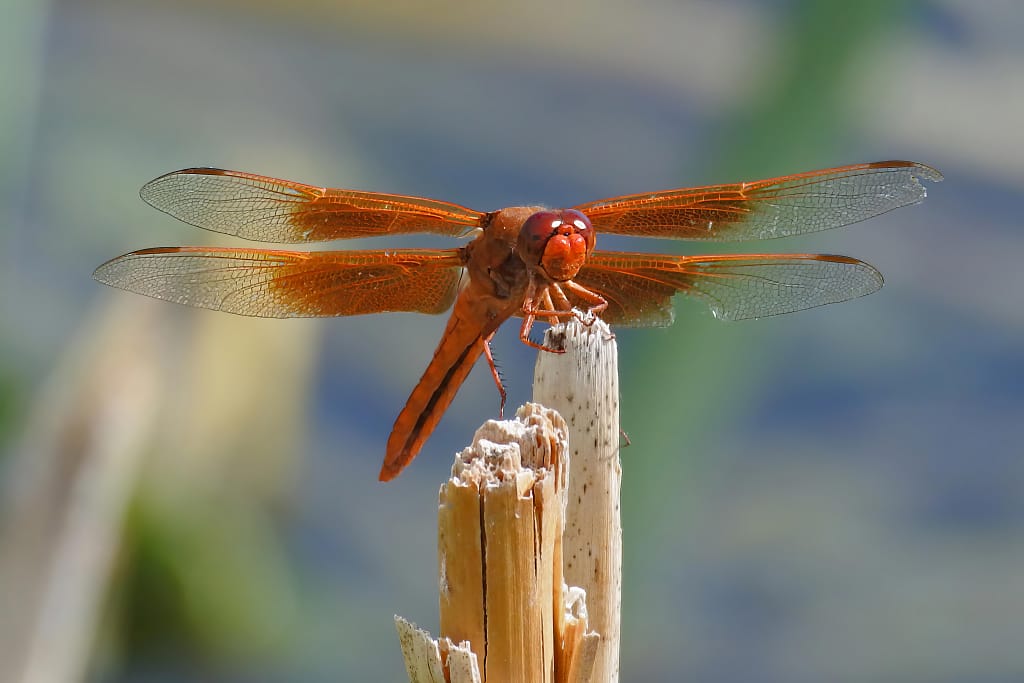
These small creatures test your timing and train your focus. They don’t wait around, and that’s part of the thrill. You’ll learn patience, precision, and the joy of getting a single perfect shot that reminds you how alive the world is at ground level.
- Dragonflies – Perch near still water, wings catching the light.
- Bees – Busy on goldenrod, coneflowers, and other native blooms.
- Monarchs and Gulf fritillaries – Drawn to wildflowers and native vines.
Sometimes, I photograph a single butterfly or dragonfly for half an hour. Not every frame is a keeper, but the effort teaches calm.
Great places for easy wildlife photography in Texas
You don’t need to travel far. Some of the richest sightings happen close to home. There’s no need to chase rare sightings when these places offer a front-row seat to everyday wonder. Don’t overlook them—they’re easier to access and often more rewarding than you’d expect. Here’s what’s close to me:
- Goose Island State Park – Rich bird life, shifting coastal light, and armadillos along the paths.
- Rockport Beach Park – Herons, gulls, and terns, often close enough for portraits.
- My own backyard – We have a bird feeder and a patch of native plants. Let the wildlife come to you.
Wildlife photography gear for beginners
Lightweight gear gives you freedom to move and focus on the moment. This setup won’t weigh you down, and it’s more than enough to capture everything from the shimmer of dragonfly wings to a deer stepping into the frame.
- Basic mirrorless camera (I’m partial to Nikon)
- A telephoto lens (200mm+ is helpful)
- Tripod or monopod for stability.
- A sturdy camera bag (I currently useTenba)
- Water, sunscreen, insect repellant, and time
Start small. Let your setup match your pace and budget.
Final thought: learning to see through wildlife photography
Some days, you will miss the best shots. Other days, the animals won’t show at all. But you’ll notice how the wind moves through grass, or how early light touches a branch.
That’s the quiet gift of this practice. The more you pay attention, the more you see. And the more you see, the more you feel at home in the world that’s been waiting for you all along.
Sign up for the best photography tips!
Join our mailing list for featured posts