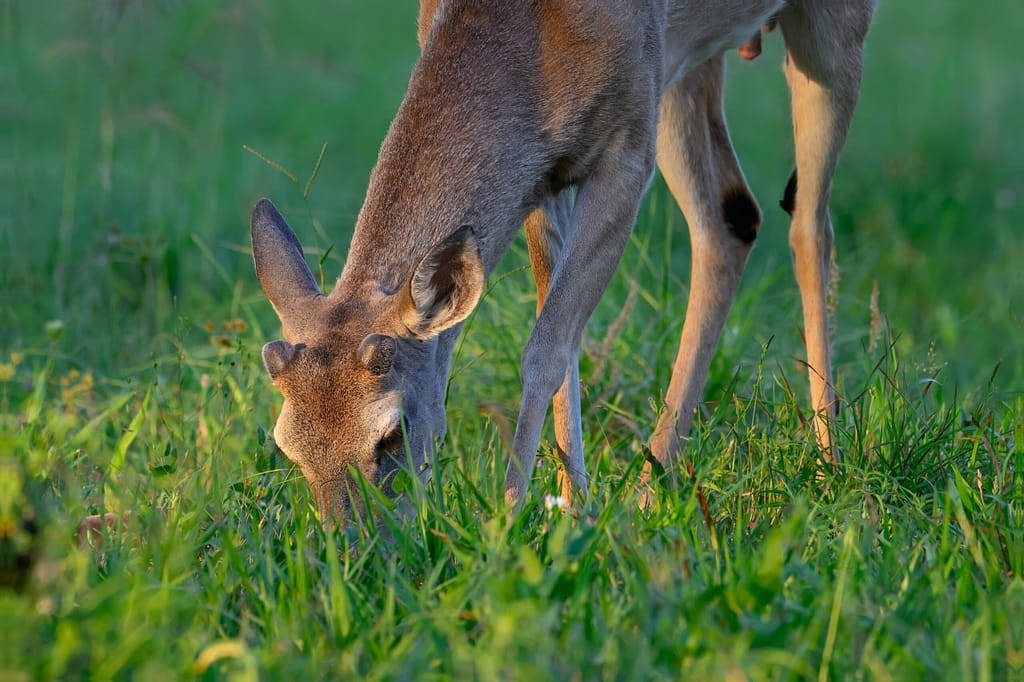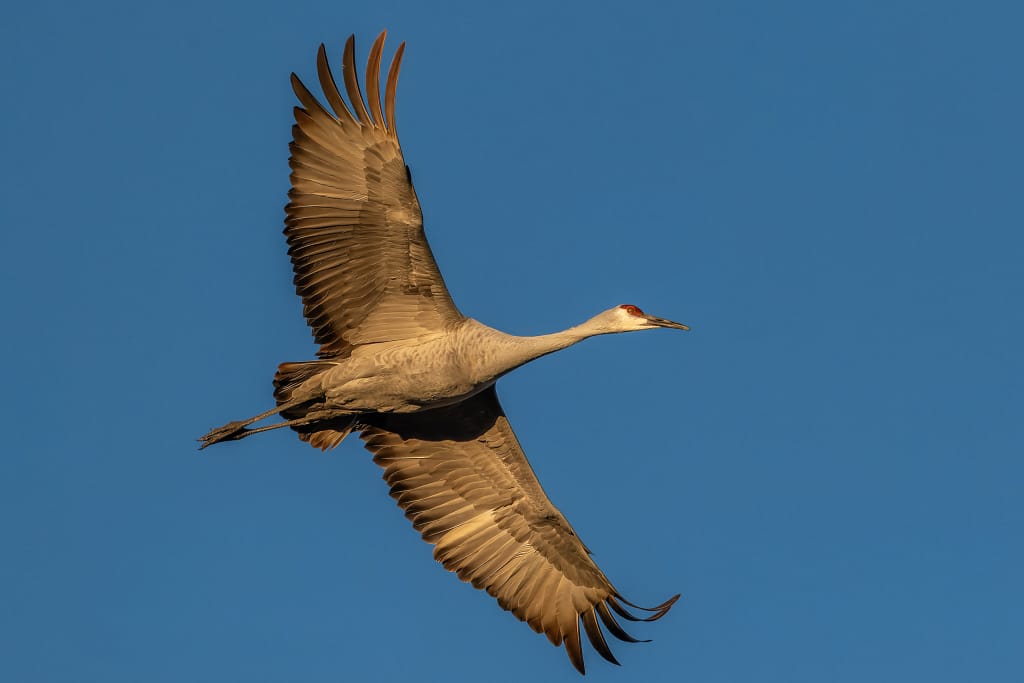
If you want to start wildlife photography, you don’t need expensive gear or a passport stamp. You just need curiosity, some patience, and a willingness to slow down. Whether you’re photographing birds in your backyard or deer in a nearby park, the key is learning how to observe and approach wildlife, choose the right equipment, and build your skills over time.
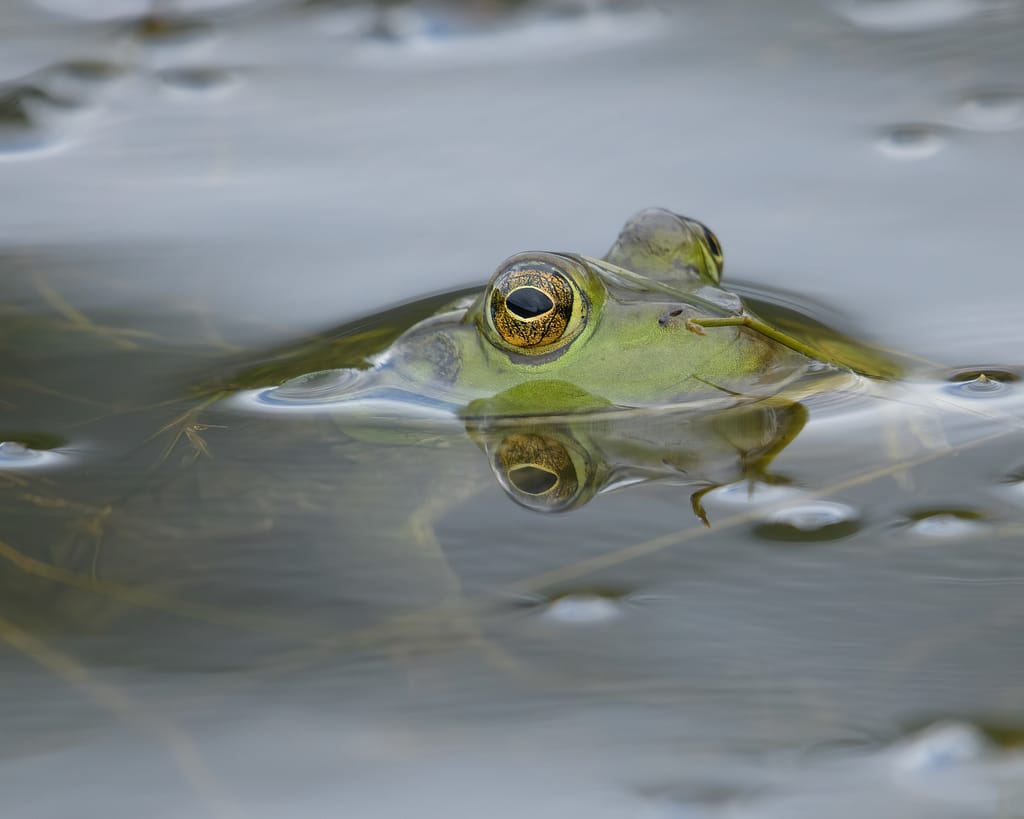
Great Animal Photo Opportunities Right Outside Your Door
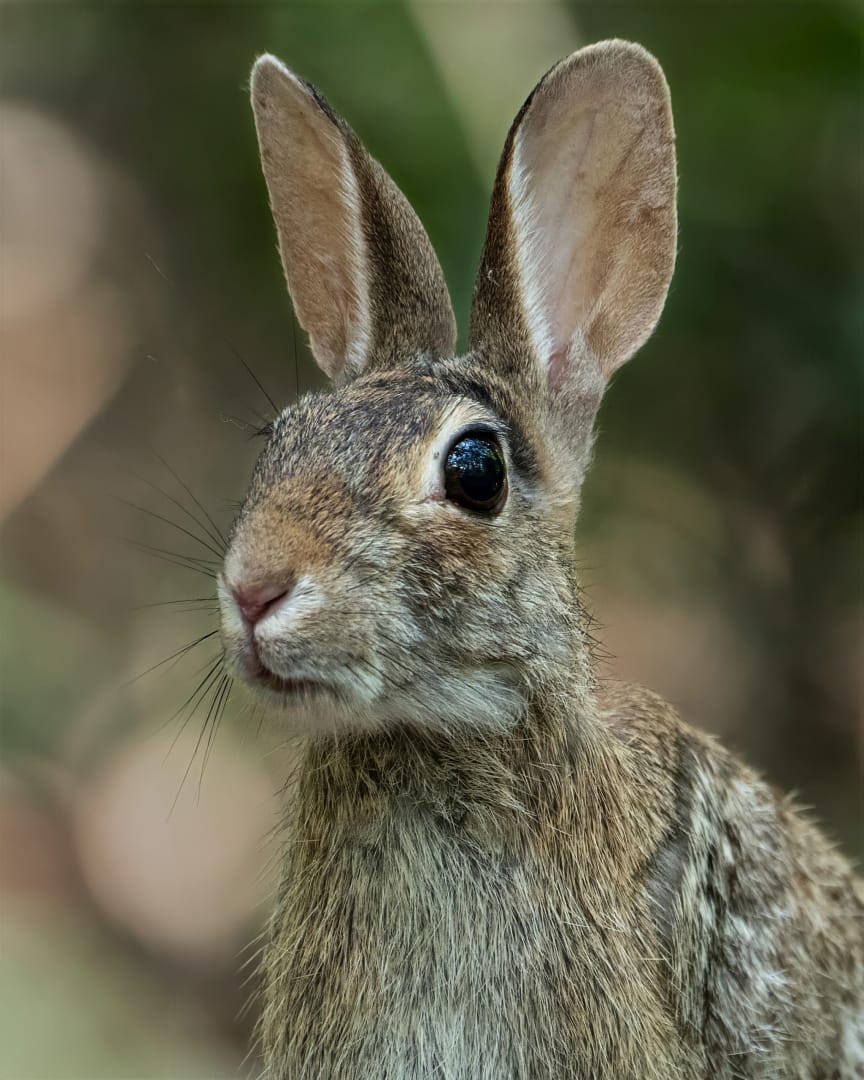
You don’t have to go far to find wildlife worth photographing. A quiet morning in your own yard can offer more than you expect. Sit still, and the world starts to unfold: a songbird on the fencepost, a dragonfly alight on a trig, a rabbit eyeing your camera with suspicion. These are the kinds of subjects that teach you how to notice—and how to wait.
Most beginners think they need to chase rare sightings. I used to think that too. But the truth is, you build your eye by returning to the same place again and again, watching the light shift and the animals go about their routines.
Essential Gear for Photographing Wildlife on a Budget
You don’t need an expensive camera to get started. Any camera with manual controls and a decent zoom lens will do. I often suggest something with a focal length of at least 200mm. That will let you keep your distance, which is better for the animal and for your photo.
A tripod helps in low light. So does learning how to brace your body against a tree or a fence. For macro photography—think butterflies, beetles, and caterpillars—a dedicated lens helps, but a close-up filter on a kit lens can also do a fine job.
Carry extra batteries. And wear quiet clothing.
How to Photograph Animals Without Disturbing Them
Photographing animals means thinking like one. Move slowly. Keep low. Stay in the shadows if you can, because bright sun reflecting off your clothes makes you more visible. Watch for signs: ears flicking, tails twitching, sudden stillness. If the animal notices you, stop your approach even if you aren’t close enough. There’s always another chance later.
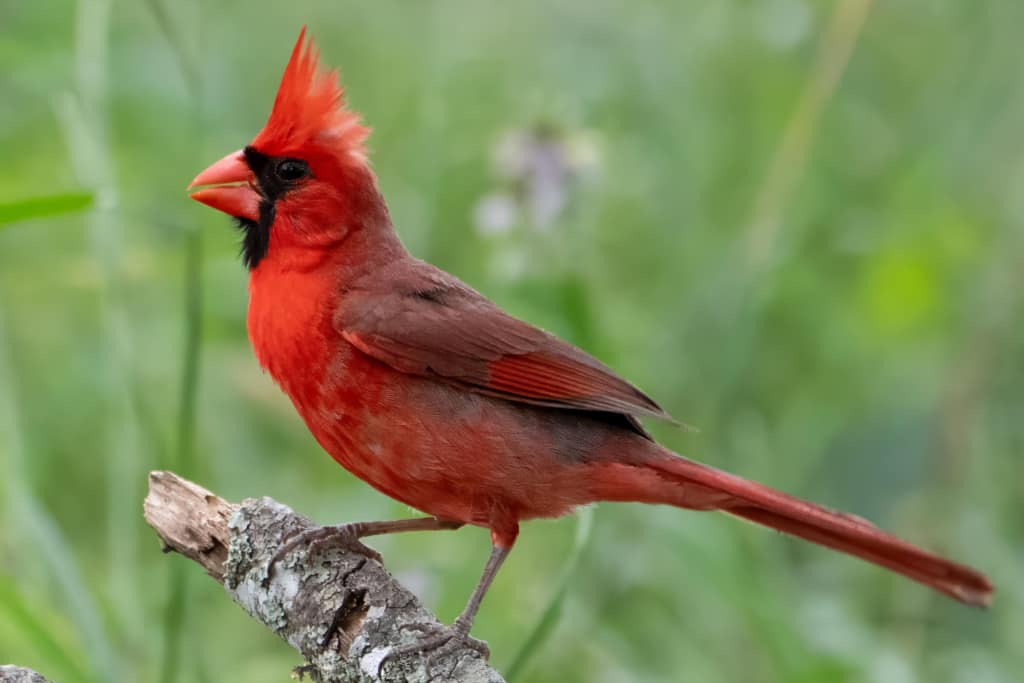
Over the years, I’ve found a rhythm. Observe. Approach. Pause. Watch. Take a few frames, then start again. Sometimes the best photos happen after the animal forgets you’re there.
Skill Building: The Best Everyday Animals to Practice Photographing
Some of the best teachers are right under your nose. Birds at the feeder help you learn about shutter speed and framing. Squirrels teach timing. Butterflies demand stillness. These species are common for a reason: they tolerate people, they’re active during the day, and they give you time to experiment.

Photographing birds in flight or insects on the move sharpens your reflexes and helps you understand light in new ways. These are the skills that transfer, whether you’re photographing elk or owls later on.
Building a Photographer’s Eye—and a Respect for Wildlife
Good wildlife photography isn’t just about exposure settings. It’s about attention. The more you pay attention, the more you start to see: how a rabbit freezes before bolting, how deer smell the air before stepping into a clearing, how bees move from blossum to blossum.
The longer you practice, the more you’ll care about the animals themselves. About how not to interrupt. About learning their patterns instead of forcing a shot. That respect shows up in your photos, even if no one else notices. You’ll know.
Getting Started with Nature Photography: What Matters Most
Next time you step outside with a camera, don’t worry about getting the perfect image. Just pay attention. The rest will follow.
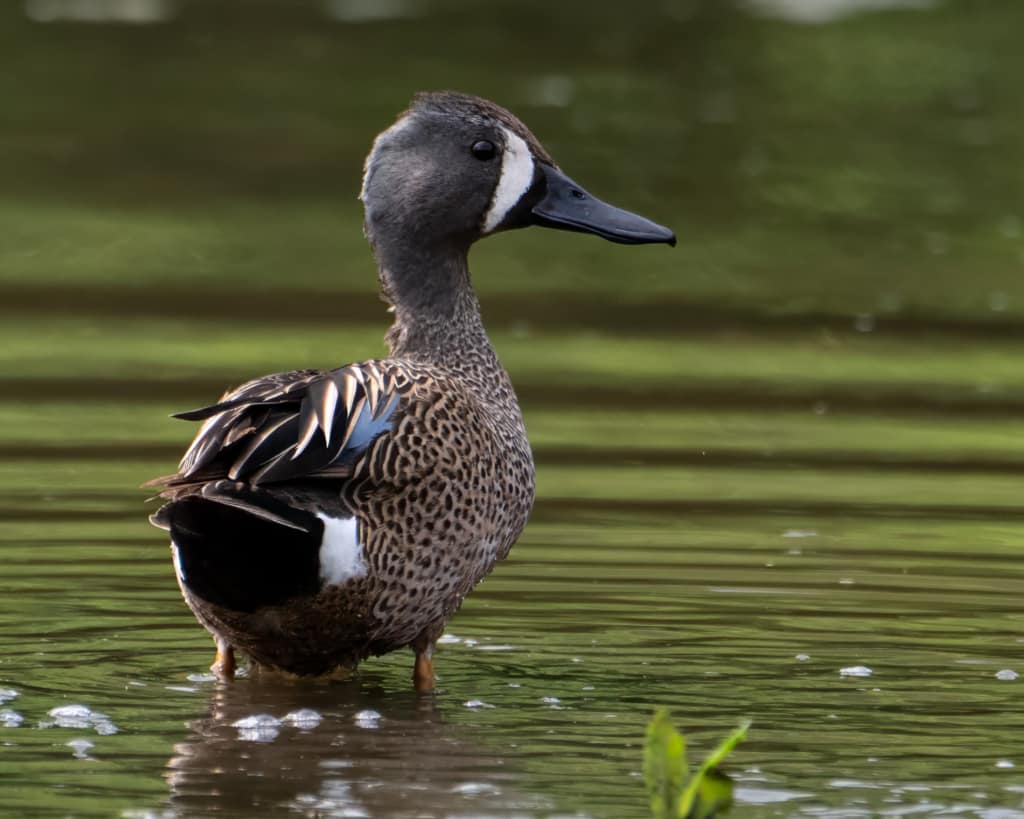
Start small. Start often. The technical skills will come, but the seeing—that’s what matters most. There is wonder close by, if you’re willing to look slowly.
Sign up for the best photography tips!
Join our mailing list for featured posts