In part one, Wildlife Photography Camera Modes Explained, I introduced the basics of exposure modes. In the second part, Master Manual Mode: Wildlife Exposure Basics, I explained that aperture, shutter speed, and ISO (the Exposure Triangle) work together to control exposure. Now, let’s dig into the effect each manual setting actually has on your photos—and why understanding these effects is so important in wildlife photography.
Aperture: Wide vs. Narrow Settings in Wildlife Photography
The aperture is the opening inside your lens that controls how much light reaches your camera’s sensor. But it also affects your photo’s depth of field—that is, the portion of your image, foreground to background, that is in sharp focus.

Large Aperture (f/2.8, f/4): Isolate the Subject
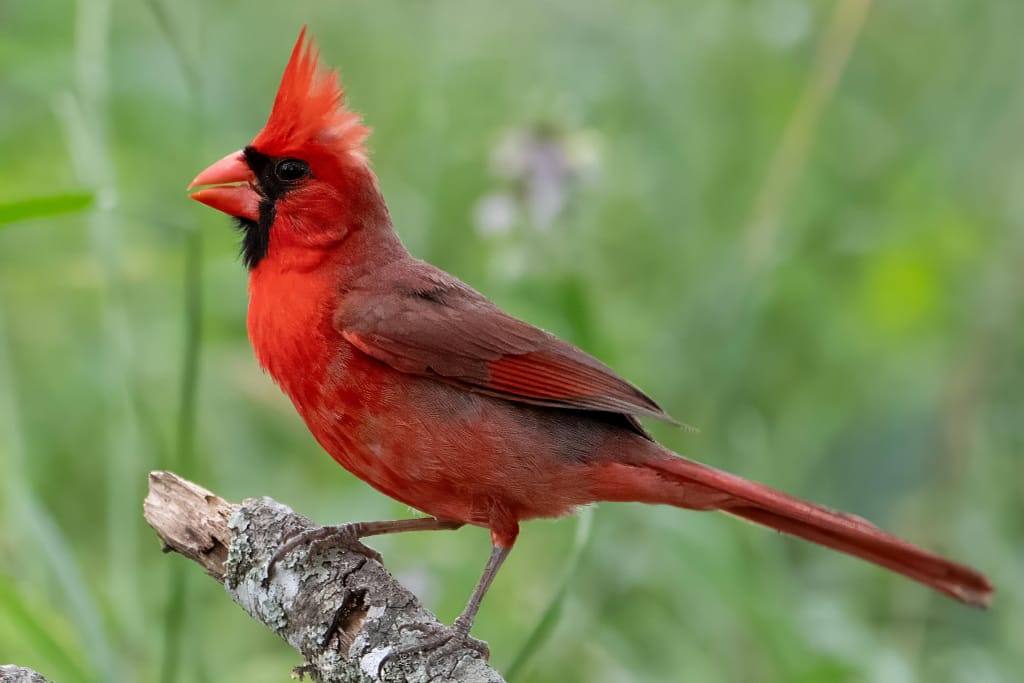
Small numbers mean the lens opening is wide, allowing in more light. This is great for low-light situations or when you want a shallow depth of field—the background will blur beautifully, making your subject stand out sharply. It also allows for a faster shutter speed and lower ISO. For wildlife, this shallow depth of field is fantastic for isolating a bird perched on a branch or a fox in the grass. It’s like letting the world fall away until only the subject and the light remain.
Medium Aperture (f/5.6, f/8): Everyday Wildlife Range
Many telephoto lenses, like the Nikon 200-500 f5.6, have a maximum aperture in this range, meaning that f5.6 is as wide as they go. There are of course super telephotos with large maximum apertures. These are often referred to as a “fast” lens and they are quite expensive.
Small Aperture (f/11, f/16): Depth and Context
The large number means the lens opening is smaller, letting in less light. This increases the depth of field, so more of your image from front to back will be in focus. Use this when you want a whole scene sharp, such as sweeping landscapes or when photographing animals in their habitat where context matters. One of many times I have encountered the need for a small aperture was photographing an alligator facing straight on. I used a small aperture to achieve a sharp focus from his eyes to the tip of his long snout.
Remember that a change of aperture requires a proportionate change in your shutter speed or your ISO to keep the exposure balanced. Once you’ve chosen an aperture, the next factor shaping your image is shutter speed.
Shutter Speed: Fast vs. Slow
Once you’ve set aperture, the next variable to consider is shutter speed. Shutter speed controls how long the sensor is exposed to light. It also affects the way motion appears in your photos.

Fast Shutter Speeds: Freezing Action
An appropriately fast shutter speed can freeze motion crisply. This is perfect for capturing a bird mid-flight, a running deer, or a splash of water. Fast shutter speeds require a lot of light hitting the sensor, so you may need a wide aperture or higher ISO to get the right exposure.
Medium Shutter Speeds: Subtle Motion
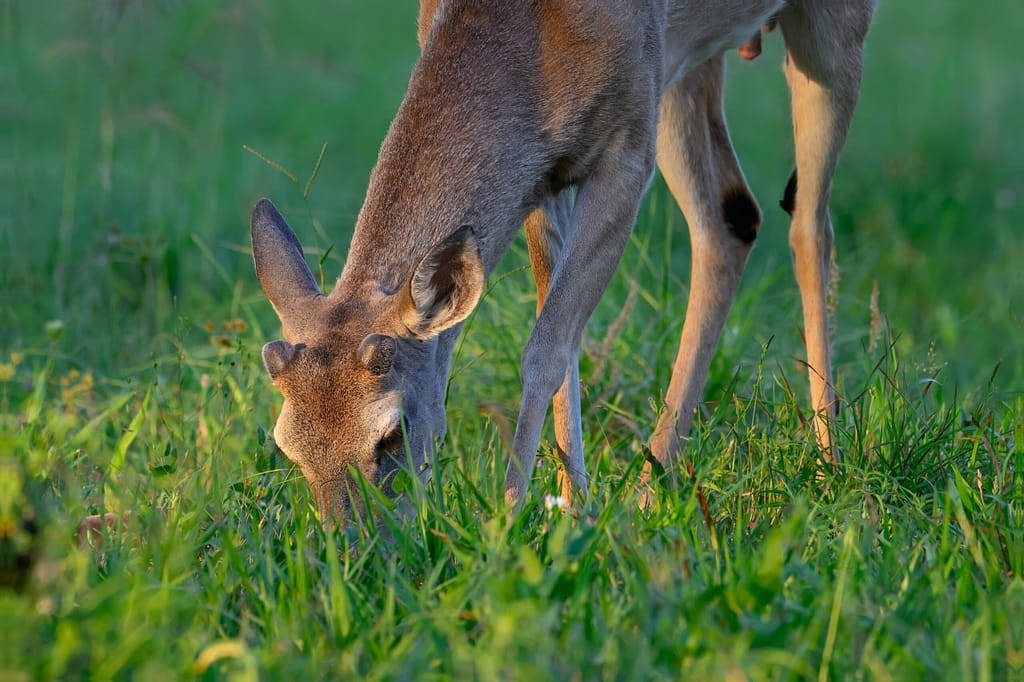
Many animals stand very still when they’ve detected your presence. But there is always some movement involved. A deer’s chest moves as it breathes and its ears are often changing position to hear you. Even a raccoon, pausing to sniff the air, is never truly still, so a fast enough shutter speed is needed to prevent motion blur that can result from these natural movements.
Slow Shutter Speeds: Creative Blur
Slow speeds expose the sensor to light for a longer time, but moving subjects might blur. Use this creatively to show motion—like the cascading look of a waterfall or when light is low and your aperture is as wide as it gets. When using slow shutter speeds outdoors, consider a tripod to avoid blur from camera shake. Be sure to use the VR (Vibration Reduction) feature if your lens has it. More on this later.
Even with the right aperture and shutter speed, your camera may still need help — and that’s where ISO comes in.
ISO: Low vs. High Sensitivity
ISO adjusts the sensitivity of your camera’s sensor to light. Every photographer wrestles with ISO — it’s the bargain we make between light and detail, clarity and noise (grain). Managing ISO is essential in wildlife photography because many animals are most active at dawn and dusk, when light is limited.

Low ISO: Clean and Sharp
Produces the cleanest, sharpest images with minimal noise or grain. Use low ISO (e.g., 100 or 200) when there’s plenty of light and you want the highest quality, such as on bright sunny days.
High ISO: Working in Low Light
Makes the sensor more sensitive (e.g., 1600, 3200, or higher) so you can shoot in darker conditions or use faster shutter speeds. The tradeoff is more digital noise, which can reduce image quality—sometimes creatively acceptable but most often something you want to keep low, especially for detailed wildlife photos.
Modern cameras like the Nikon Z8 handle high ISO much better than older models, but it’s still best to use the lowest ISO possible for the scene. There is software available that can reduce noise in post-processing, but that is a topic for another post.
Balancing the Exposure Triangle in the Field
In wildlife photography, you’re constantly balancing the exposure triangle with these three settings:
- Want a blurred background? Use a large aperture, adjust shutter speed as needed, and keep ISO as low as possible.
- Need to freeze fast action? Use a fast shutter speed, wide aperture, and adjust ISO to ensure enough light.
- Shooting a landscape with wildlife? Use a small aperture for depth of field, slower shutter speed, and low ISO—a tripod might be necessary here.
Learning how these three elements of the exposure triangle affect your images allows you to make creative decisions that bring your wildlife photos to life. As I discussed in the second part, Master Manual Mode: Wildlife Exposure Basics, balancing these is essential.
Practice noticing how the exposure triangle settings change the look and mood of your photos, and you’ll start to see your images improving dramatically. In future posts, we’ll bring these manual settings into real-world field scenarios from birds in flight to quiet moments in low light.

The more you practice, the more you’ll notice how small choices in aperture, shutter speed, and ISO change not just the photo, but the story it tells. Each choice you make is a conversation with the light, and every photo is a reflection of how you saw the moment. If you’d like to revisit the introduction, start with Wildlife Photography Camera Modes Explained, then continue to the second part, Master Manual Mode: Wildlife Exposure Basics.
Sign up for the best photography tips!
Join our mailing list for featured posts