
Wildlife photography requires patience and concealment. Using earth tones, camouflage, ghillie suits, and blinds helps photographers blend in so animals behave naturally.
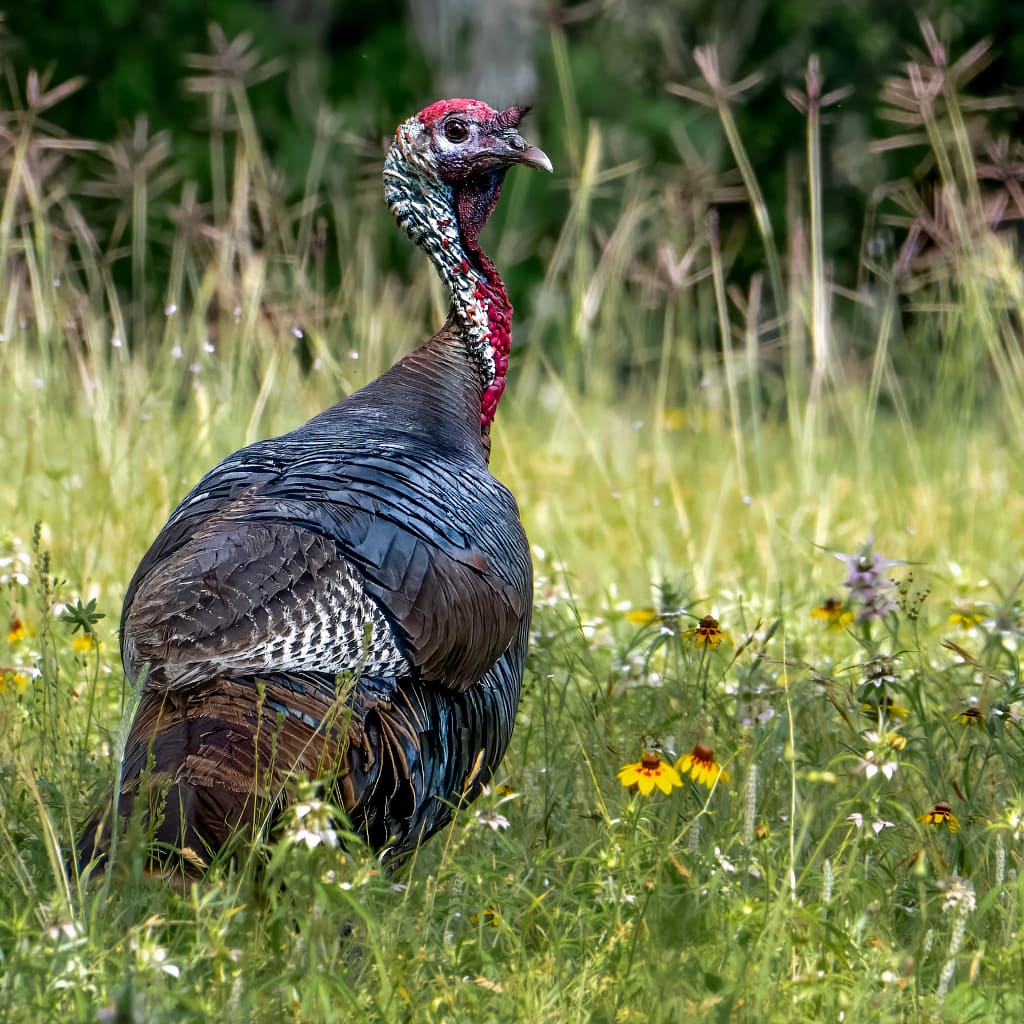
Blending in with wildlife photography
When we step into the field, color matters. Bright clothes announce our presence long before we make the first shot. Earth tones, soft greens, and browns may not make us vanish, but they let us pass more quietly through the scene. In a backyard or on a woodland walk, these colors help us fade into the edges, giving the animals a chance to trust the moment.
Using camouflage clothing in wildlife photography
For those who want to move beyond simple earth tones, camouflage patterns provide another level of concealment. Each design mimics the complexity of leaves, bark, or grasses, tricking the eye just enough to keep us from standing out. Animals notice movement more than pattern, but camouflage gives us the advantage of time: a few seconds more before we are recognized as something foreign.
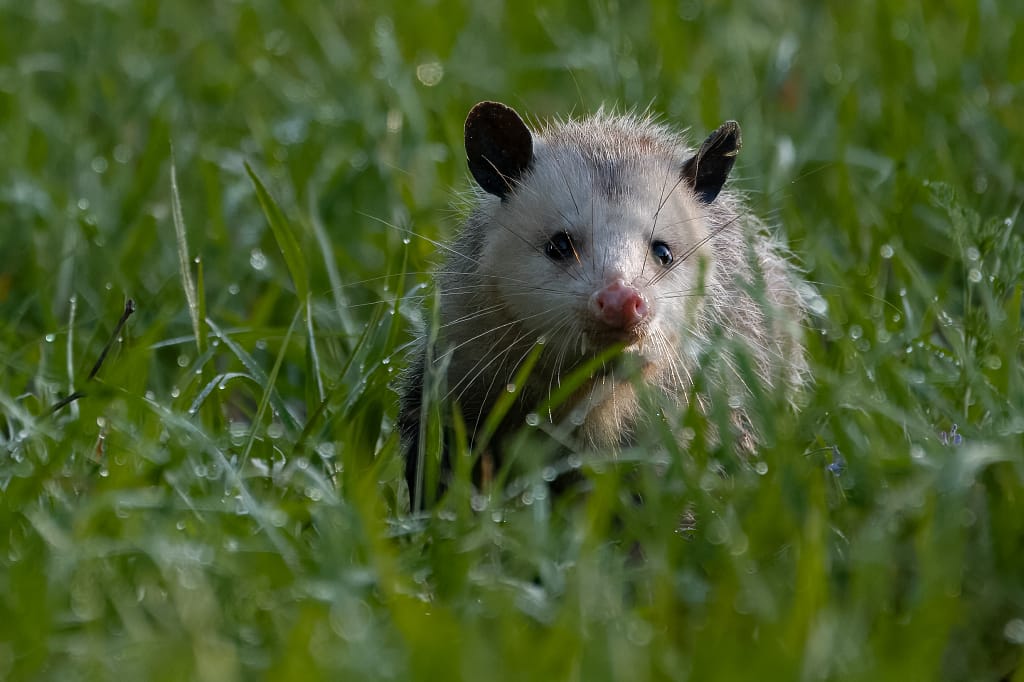
Field notes: Ghillie suits for deeper concealment
A ghillie suit takes camouflage further, using layers of loose fabric, string, or netting to break up the outline of the human form. It makes us appear less like a figure and more like the brush itself.
I have found a ghillie suit to be one of the most effective tools I own. When I sit quietly in it, wildlife often comes closer than ever before. The loose fabric brought an unexpected advantage: it created a barrier against mosquitoes, especially after I treated it with Ben’s Hunting Formula Tick & Mosquito Repellent. I often pair it with a camouflage folding stool, which lets me sit concealed and comfortable for long stretches. Together, this combination has proven remarkably effective.

Field notes: Photographing from a blind
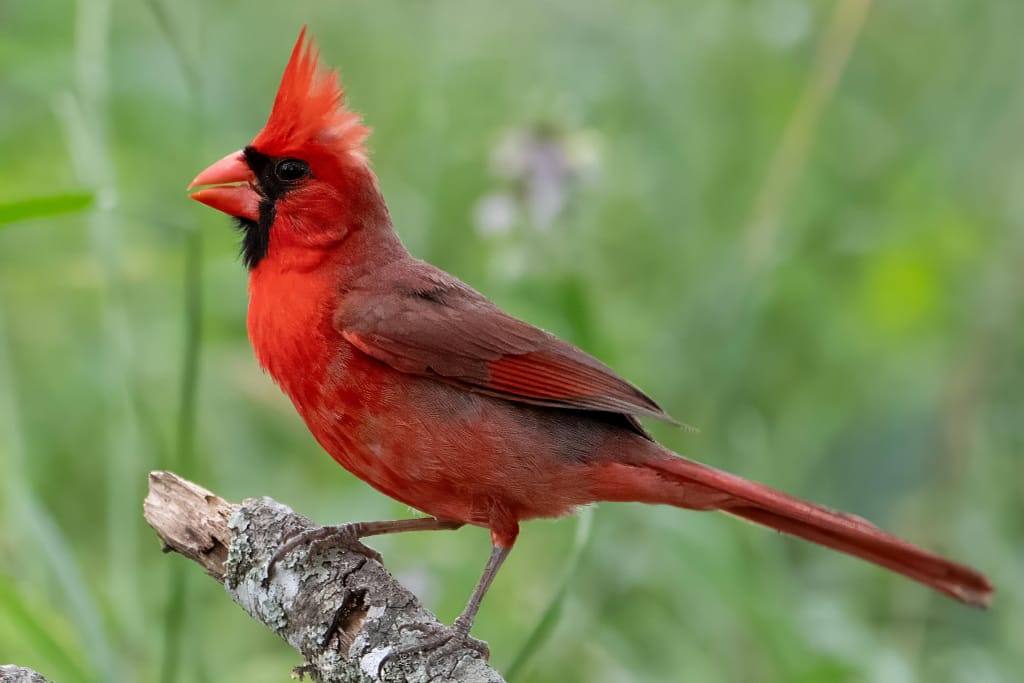
The most effective form of concealment is the blind. Whether a pop-up tent carried into the field or a structure built into the landscape, a blind erases our presence almost entirely. Birds may perch close by, deer may browse without suspicion, and we are given the gift of proximity.
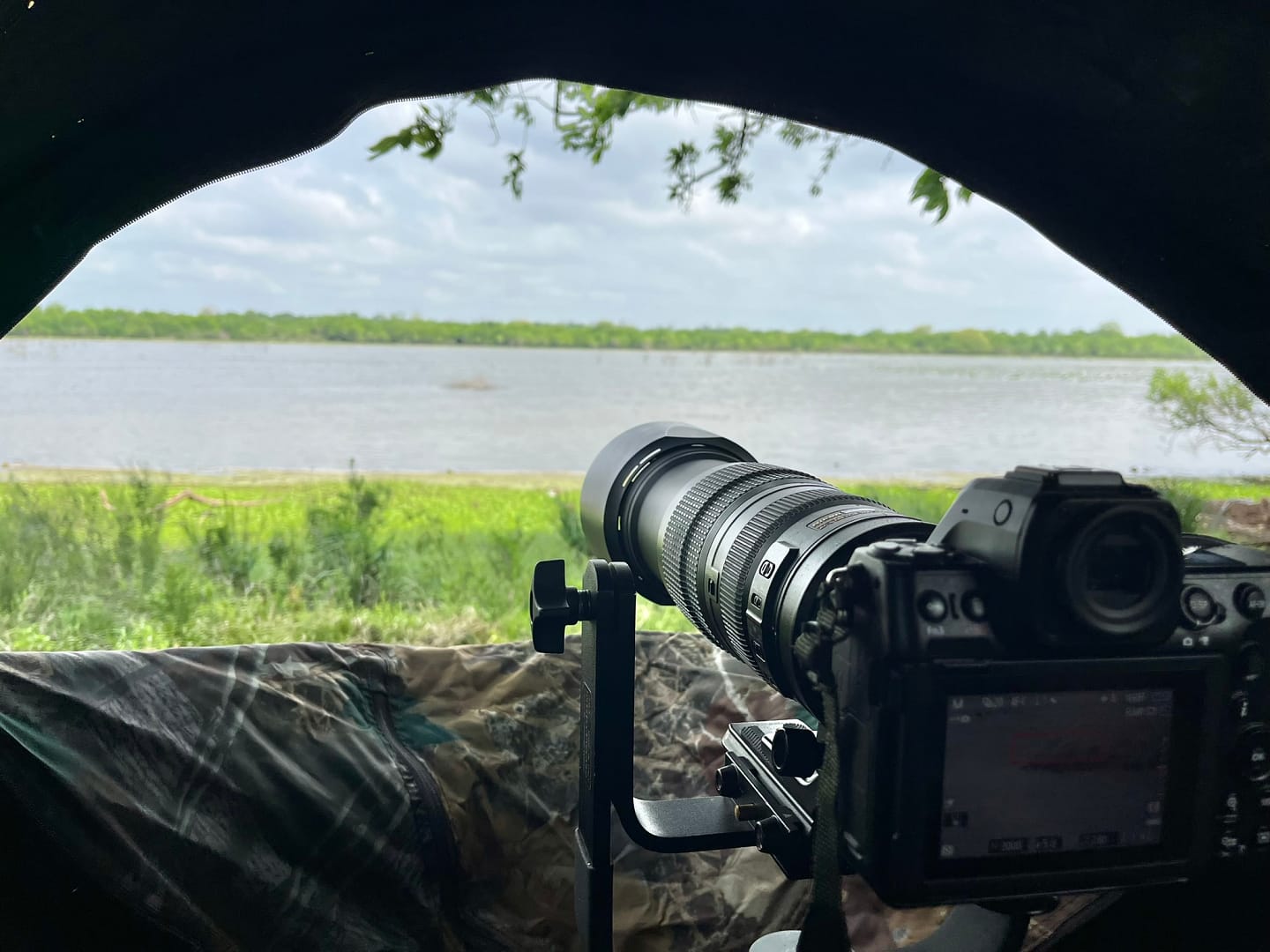
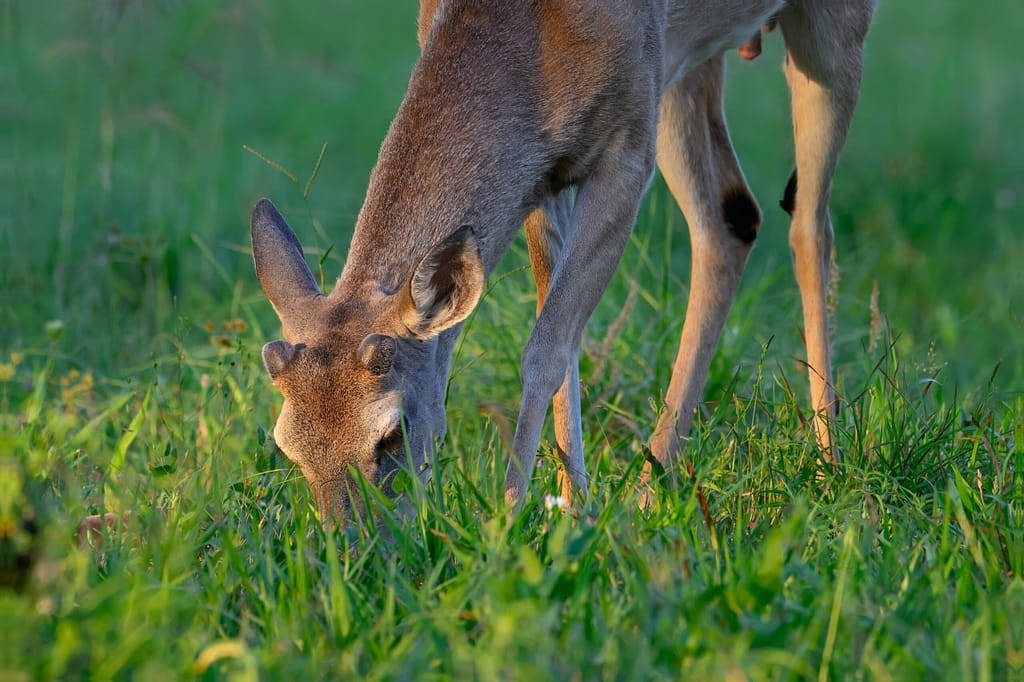
Among the blinds I have tried, a portable chair blind has been the most surprising. It sets up quickly, and when I sit inside it, wildlife often comes closer than I imagined possible. From its adjustable main window I have photographed deer so close I could count their eyelashes, relaxed turkeys, and egrets at the shoreline. The blind has zip openings that let me adjust my field of view and amount of ventilation. Often I close all but one, waiting in silence with just enough space for the lens. It folds down easily for transport yet feels like a hidden room in the forest, where the animals move at ease and the moments come alive.
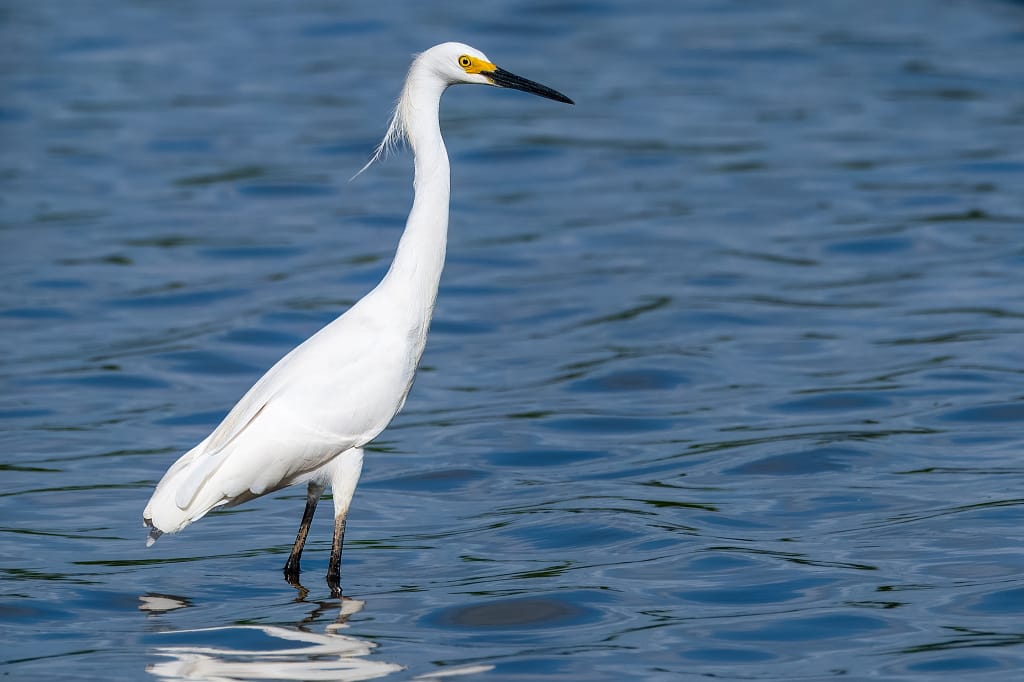
Respect for wildlife above all
Camouflage, suits, and blinds are tools, but respect remains the greater guide. Blending in is never about deceiving or chasing, only about entering quietly enough to witness animals on their own terms. The best photographs come not from hiding who we are, but from humbling ourselves to the pace and rhythm of the wild.
Questions or comments. Click here.
Sign up for the best photography tips!
Join our mailing list for featured posts
Pretty awesome !
Thank you!
Thank you! We’re glad you enjoyed it.