By Elaine Perea
Choosing the Right First Safari
When we started planning our first safari in 2018, a travel agent wisely suggested beginning in South Africa. The country offers an easier entry point both logistically and emotionally—great infrastructure, shorter transfer times, and lodges that provide a comfortable buffer for first-timers.

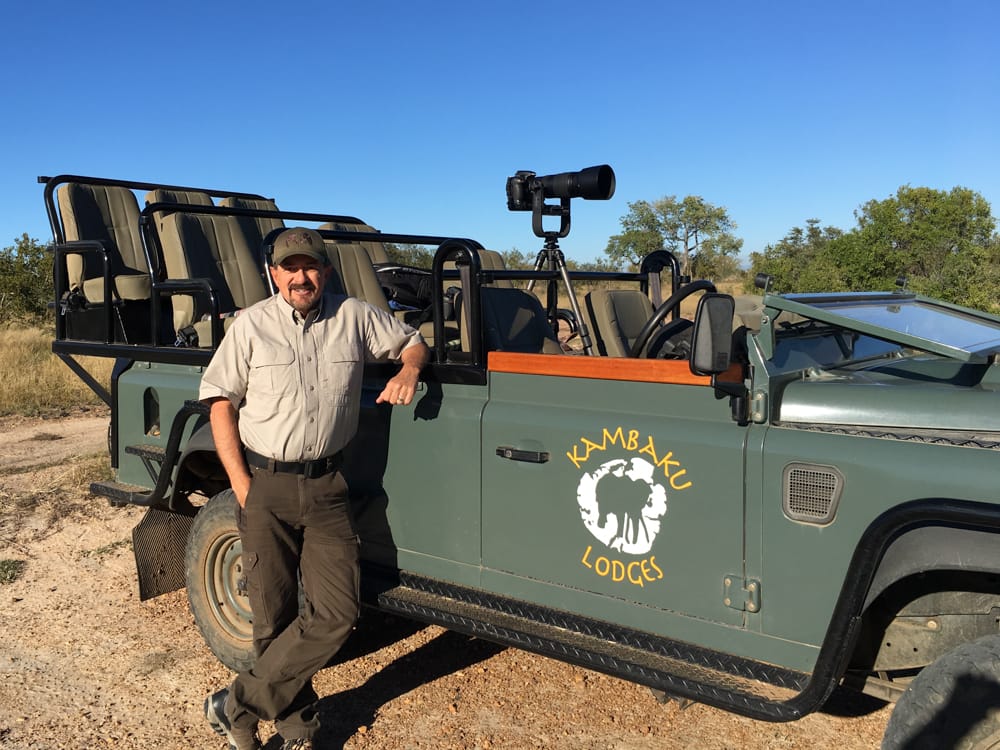
We booked through Rhino Africa and used Lonely Planet for background research. Our trip focused on the Kruger National Park region, where we stayed at Mohlabetsi Safari Lodge and Kambaku River Sands. Both were excellent, but Kambaku was my favorite—it offered a luxurious experience without feeling pretentious. The walls and windows provided a sense of security, which helped me ease into the idea of being close to wild animals.
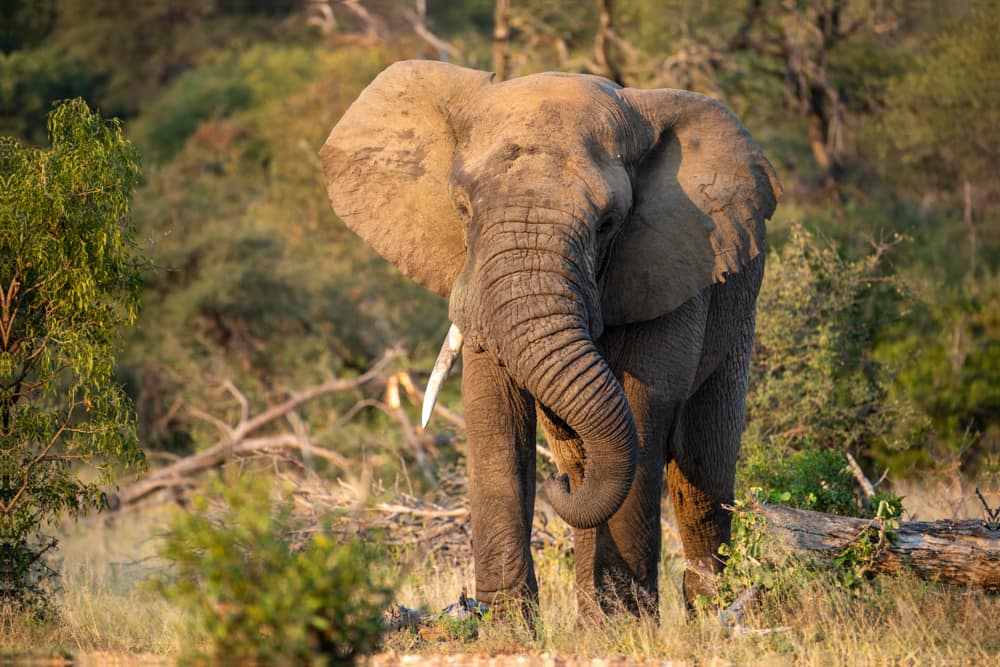
Each day included two shared safari drives led by experienced guides. We met travelers from around the world and quickly learned the rhythm of safari life—early mornings, stunning wildlife, and unforgettable sunsets.

Taking the Leap: Kenya the Following Year
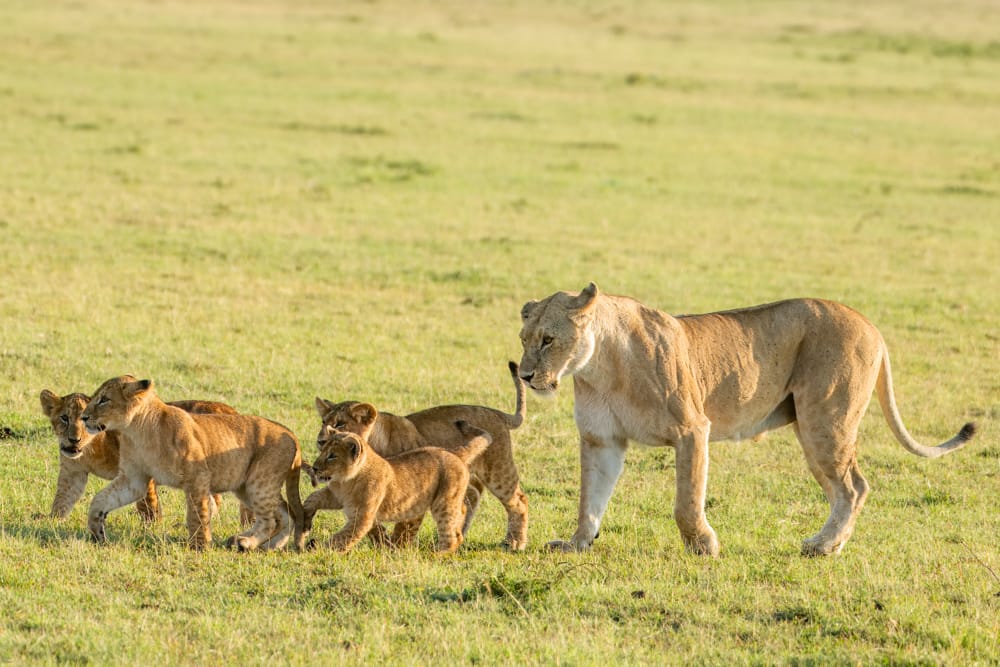
By the time we decided to return to Africa in 2019, we were ready for something more adventurous. This time, we focused entirely on the Maasai Mara National Reserve in Kenya and stayed for 16 nights in early August, dividing our time between three regions of the park.
- Fisi Camp – $140/night (budget, guides are not included)
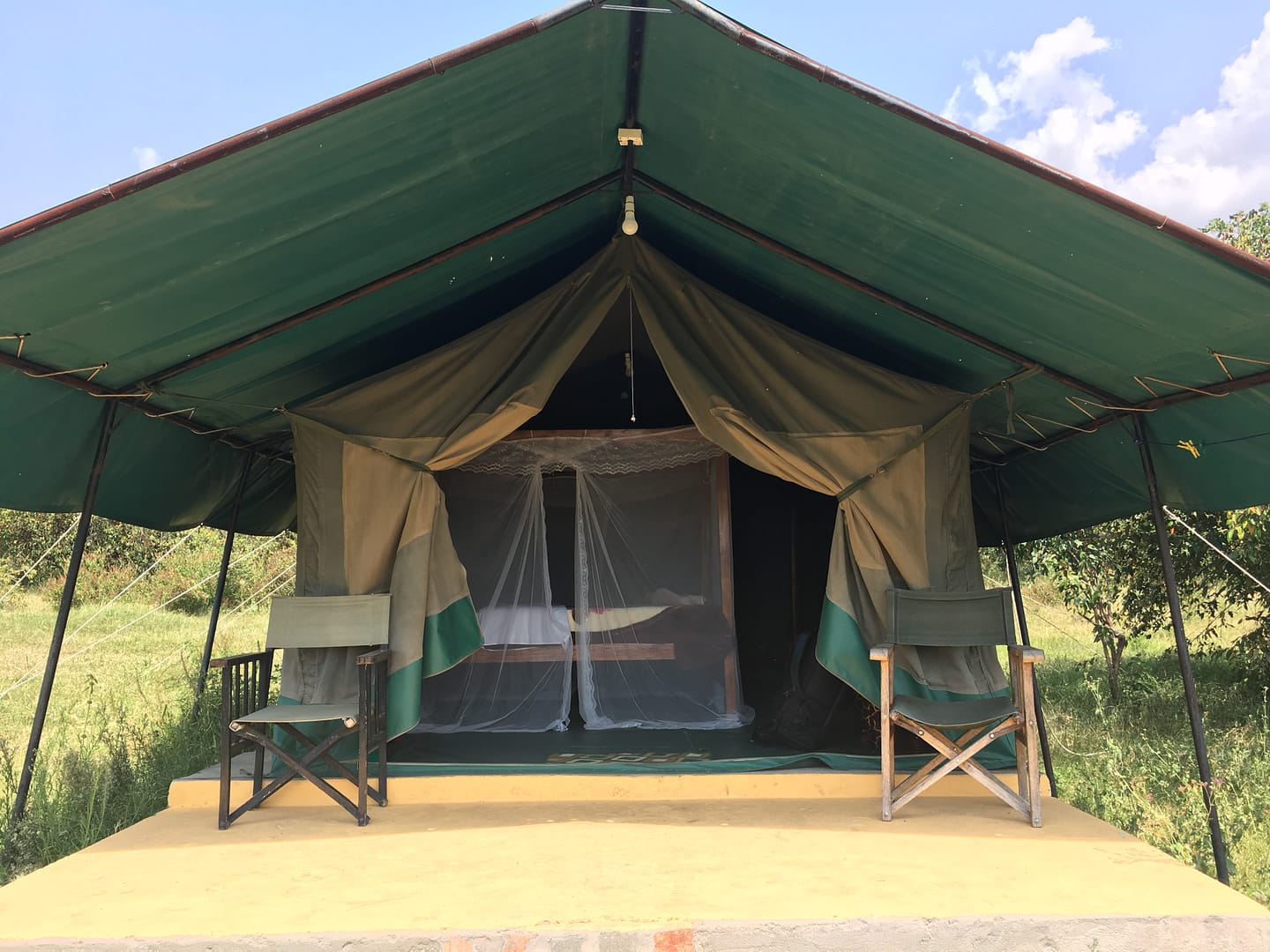
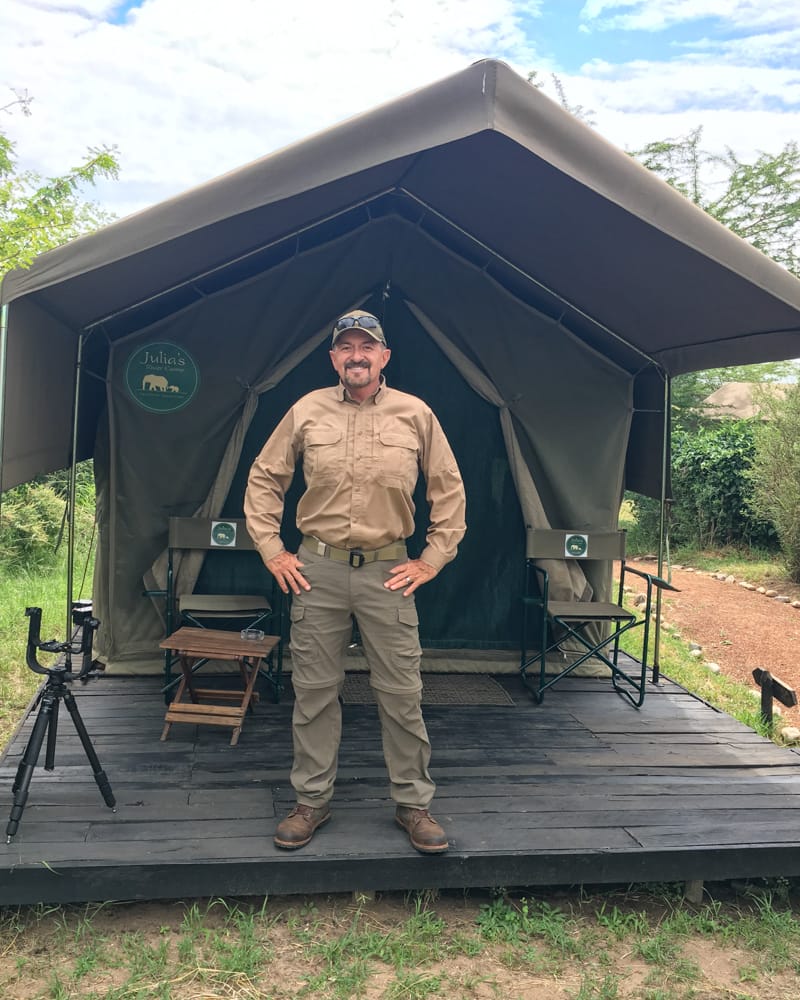
- Julia’s River Camp – $420/night (including daily guided park visit)
- Hammerkop Migration Camp – $570/night (luxury tented experience)
For 2026 travelers, expect budget camps to start around $200–$300 per night, midrange around $400–$600, and luxury lodges upwards of $800–$1,200.
We booked our international flights into Nairobi and arranged a private car transfer from the airport to our first lodge—about three hours on bumpy roads. Transfers between camps took roughly the same amount of time.
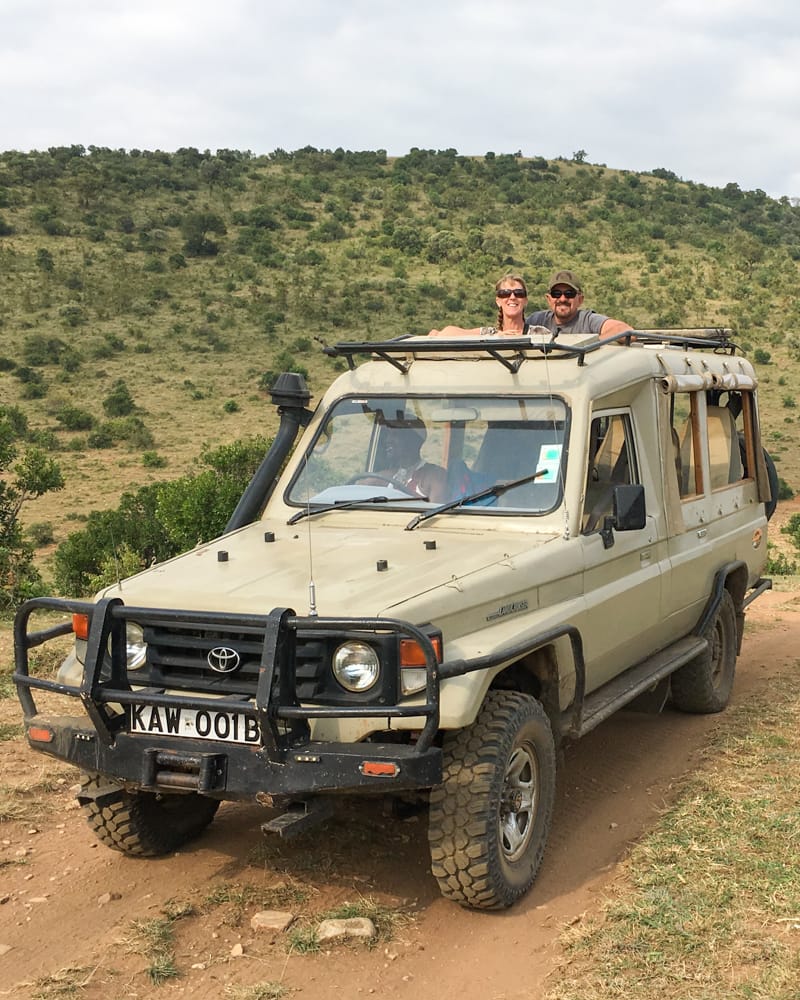
Our guide, Mpairo Ole Kiyapi, Director of Namayiana Safaris & Tours, handled most logistics. We paid park entry fees ($200 per person per day) directly at the gates, which added up quickly but was absolutely worth it. Many multi-night safaris save costs by limiting time inside the park, but that’s where the real wildlife action is.
Booking Flights and Lodges
I booked our flights independently, watching fare alerts and buying during February, which tends to have the best pricing for Nairobi routes. Once airfare was confirmed, I built a nightly budget and filled in the lodging details.
In Kenya, I booked one lodge myself and worked with Mpairo for the other two. His experience and local knowledge made a big difference. The private guide option was our biggest splurge, and I’d do it again. Having control over where to stop and how long to stay made every outing richer—especially for photography.

Handling Money on Safari
Most camps accepted credit cards for souvenirs and larger purchases, but cash was still essential for tipping and emergencies. When we did need more cash, we learned how inconvenient it could be—one local ATM was down, and we had to drive a long way out of our route to find another. Bring a supply of small U.S. dollar bills or Kenyan shillings and plan for remote areas without working machines.
Health and Safety Essentials
Before each trip, we visited a travel medicine specialist who advised on vaccinations and prescribed oral malaria prevention. You can find current guidance on the CDC Traveler’s Health page.
We also bought trip insurance through InsureMyTrip.com, which I highly recommend. Knowing we were covered for cancellations and medical care gave us peace of mind.
What to Expect from Weather and Conditions
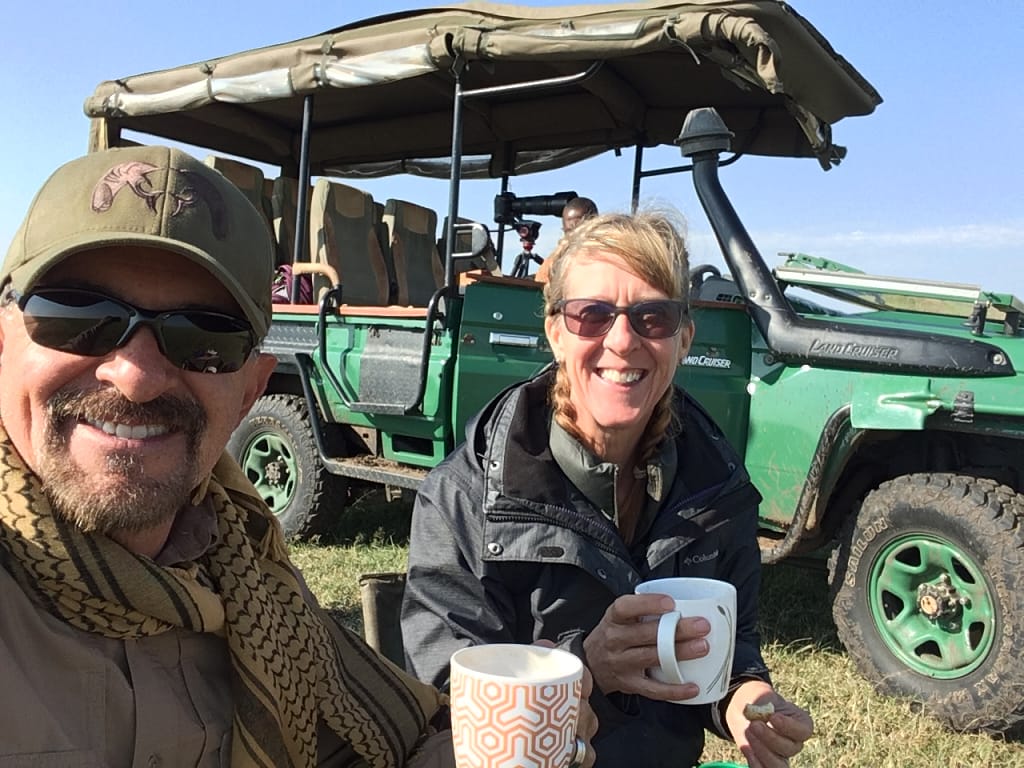
In June (South Africa) and August (Kenya), mornings and evenings were chilly, often in the 40s–50s°F (5–10°C) range, warming to 70s°F (21–24°C) during the day. Most days were dry, though we had occasional light rain. Early drives in open vehicles can be cold, so layers are key.
Packing Light but Smart
I packed for three weeks using one carry-on. My strategy: keep it minimal, washable, and layered.
What I took (and actually used):
- 4 pairs of pants (2 pairs of zip-offs would have been better than bringing separate shorts)
- 1 pair of shorts
- 1 lightweight travel dress
- 2 longsleeve button up shirts
- 2 short sleeve button up shirts
- Sturdy socks and quick dry underwear
- Hiker style sneakers
- River sandals (rarely used, slide-ons would be better)
- Wool long-johns (used daily for chilly mornings)
- Long-sleeve pajamas
- Warm hat, gloves, and a down vest
- Outer waterproof jacket (used every morning)
- Ball cap (rarely used; a wide-brim safari hat would have been better)
- Binoculars, sunscreen, and insect repellent
What I took but didn’t need:
- Swimsuit
- Silk scarf for dust (never used)
We used laundry service once during the trip, which helped stretch what we packed. Traveling light was essential because in-country flights have strict weight limits, and camera gear adds up quickly. Keeping luggage to the basics made moving between camps easier and avoided extra baggage fees.

Elaine’s Safari Packing Checklist
Documents & Essentials
- Passport, visas, travel insurance papers
- Vaccination card and malaria medication
- Copies of all bookings and guide contact info
Clothing
- See notes in Packing Light but Smart for what I actually used and what I’d skip. In short: lightweight layers, neutral tones, and items that can wash and dry easily.
Accessories
- Sunglasses (take two pairs)
Sunscreen (SPF 30+)
Lip balm with SPF
Insect repellent
Binoculars
Power adapter for Kenya and South Africa
Small flashlight or headlamp - Reusable water bottle
Money & Tips
- Small bills for gratuities
- Backup credit card
What I’d Do Differently Next Time
- Exchange more cash for small bills and/or confirm ATMs plans before leaving.
- Pack two sets of wool base layers—I wore them constantly.
- Choose a wide-brim safari hat instead of a baseball cap.
- Allow 5 nights per lodge for the best balance of rest and variety.
- Use long layovers wisely—we skipped a Paris excursion to avoid missing our connection but enjoyed exploring Amsterdam on the way home.
Final Thoughts
Both safaris were extraordinary, but for different reasons. South Africa was our training ground—comfortable and accessible. Kenya offered raw adventure and freedom with private guides. The combination was ideal: one trip to learn the basics, another to dive deep into the wild.
If you’re planning your own first safari, start with your budget, decide what comfort level suits you, and don’t underestimate the power of a good guide. Everything else—the sounds of hippos grazing outside your tent, the glow of giraffes at sunset—will take care of itself.
Helpful Resources:
- Rhino Africa – Safari planning and custom itineraries
- TripAdvisor Safari Forums – Research and traveler reviews
- Maasai Mara National Reserve – Park info and fees
- InsureMyTrip.com – Travel insurance comparison
- CDC Traveler’s Health: Africa